How accessible is podcasting?
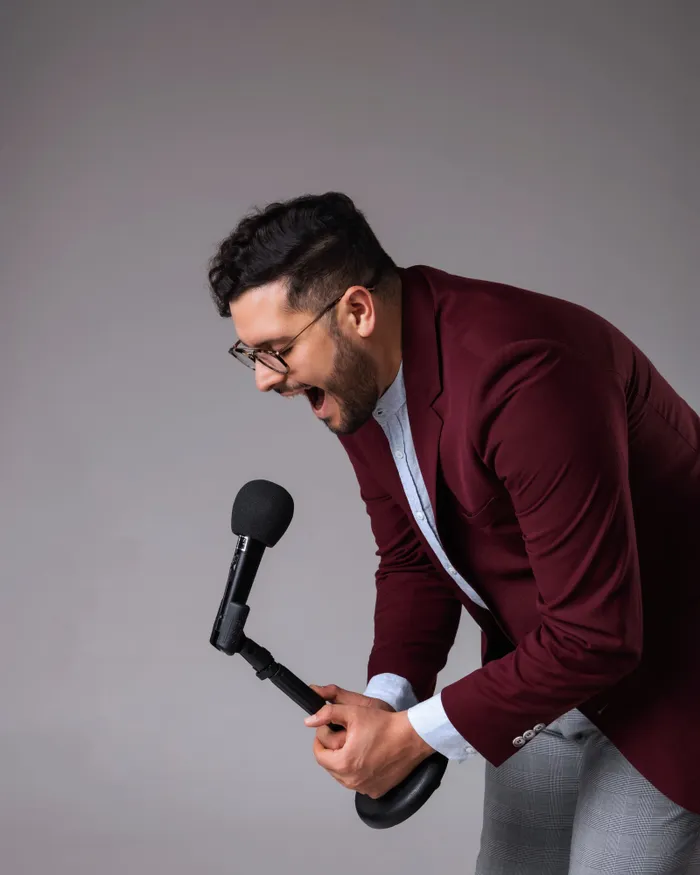
Podcast pioneer Simmi Areff doesn’t believe in gatekeeping knowledge and wants to share as much as he can about podcasting, to the world. Picture: Michael Mbaya
Podcasts have gained traction many storytellers, comedians budding broadcaster are keen to get in on the podcast action.
We sat down with podcast pioneer and host of the Lesser Known Somebodies podcast, Simmi Areff, to get into the nitty-gritty world of podcasting.
Areff is the mastermind behind POC Podcasts which produces 13 podcasts in South Africa.
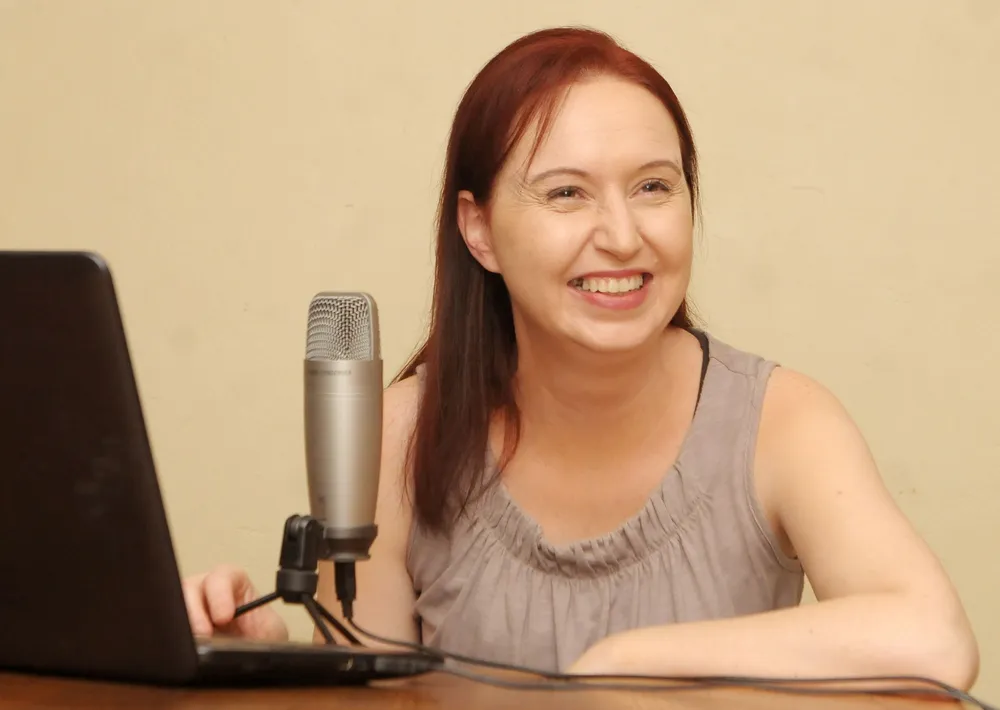
True Crime South Africa podcast host, Nicole Engelbrecht, also weighed in on the matter.
What are the costs involved with equipment?
Areff: For entry-level equipment, you can buy a Fifine USB mic online that costs R700. This mic will plug straight into your laptop and is one of the best out there. With free editing software, this is the only expense you’ll have.
However, most people don’t speak alone and will need another mic for guests and this increases the cost. Two USB mics mean having two USB inputs and in some cases two laptops.
At a medium budget, you can buy a Zoom H4n audio recorder for R5000. That recorder has multiple inputs for mics and guarantees great quality.
At a higher-end, the Rodecaster Pro costs R15 000 - R18 000 which is a sound desk with multiple inputs, Bluetooth connection and sound pads.”
Engelbrecht: It depends on your budget. A very basic, but good quality, microphone costs about R600 and a pop filter for R200.
You could start a podcast with just your phone, but I always recommend that podcasters consider sound quality.
Is it necessary to have a studio?
Engelbrecht: No, but avoid recording in echoey or noisy places. I started by putting my microphone in a cardboard box on my desk which was lined with foam. Anywhere that dampens the sound will work.
Areff: Studio time can range from R600 to R3500 per hour but that only includes recording the podcast. It is not compulsory to record in a studio but the price attached to it usually adds things like video recording, the set up and usually includes equipment too.
What are some hidden costs associated with podcasting?
Areff: Anchor is a (free) server that you upload podcasts to, which publishes podcasts to listening platforms.
Omny Studio is a paid podcast server at R2500 per month to upload 13 podcasts.
The more expensive the server, the more analytics available.
Can you monetise podcasts?
Areff: Only 1% of podcasts globally make money. That can be anywhere from $100 to $250 000 000 like Joe Rogan.
To get money from making a podcast, you can gain sponsorship from clients but then it’s basically ‘selling’ your podcast.
Another option is licensing your podcast where a company gives you a fee for your content for a period of time.
Apple music allows for monetisation which in the first year, you get 70% of profits made. Thereafter, you get 85% of profits. Spotify doesn’t allow for monetisation.
Engelbrecht: There are plenty of options available, but the most important thing I tell new podcasters is that they should not believe the narrative that they have to have hundreds of thousands of downloads to make money.
If your content fits a specific niche, then you already have a valuable product because you are reaching a very specific audience.
The trick is to find brands whose audience matches yours. By doing that, it doesn't matter if you have 100 listeners or 100000 listeners, the brand's money is well spent because they are guaranteed to reach their niche.
How does editing your podcast work?
Areff: You can either edit it yourself on a free site like Audacity or hire an audio engineer to do your editing for you. You can expect to pay an audio engineer R500 an hour. Adobe Audition, which is paid for, is what I prefer to use.
Engelbrecht: Software to edit sound can be free. I use Audacity. I knew nothing about sound editing when I started but there are tons of free tutorials on YouTube. I do recommend that you edit on a laptop or PC, but if that's not an option, there are software packages for mobile as well.
What else do you need?
Areff: You are going to need a thumbnail. You can use Canva and do it for free or pay a graphic designer.”
Engelbrecht: Canva is a free option for impactful designs for show art.