Chaos, drama, conflict, and glamour: a peek behind the ‘Real Housewives’ curtain
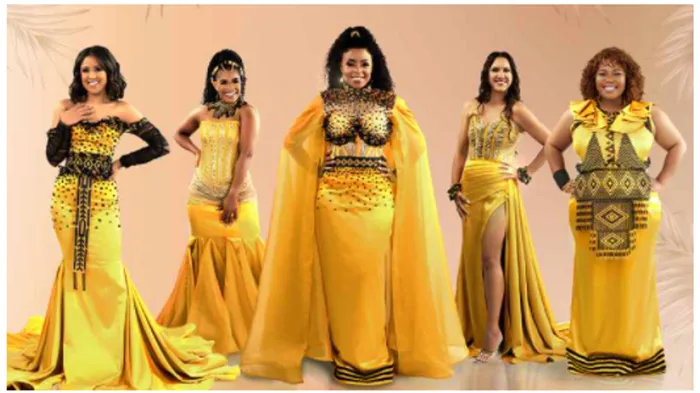
‘The Real Housewives of Gqeberha’ is the latest instalment of the popular reality TV franchise. Picture: Supplied
The “Real Housewives” franchise is a phenomenon that has gripped South African viewers. But while it offers a glimpse into the lifestyles of the perceived rich and pampered, the cast often is unaware of the consequences of their newfound fame.
The internationally acclaimed reality TV programme has captured the hearts of South Africans over the last few years, so much so that there are now five adaptations across the country’s major cities.
“The Real Housewives of Gqeberha”, set to debut next month, is the country’s fifth instalment of the hit global franchise, and Africa’s seventh overall.
Built on chaos, drama, conflict, and glamour, the “Real Housewives” franchise never disappoints in eliciting reactions, whether good or bad, on social media.
Different shows have featured some famous and not-so-famous faces, including the wife of the late Sfiso Ncwane, Ayanda, and the mother of former president Jacob Zuma’s child, Nonkanyiso Conco, as well as TV personality Mercy Mogase, among others.
Director of local entertainment channels at M-Net Shirley Adonisi said that, since its debut in 2017, the local “Real Housewives” universe has kept South Africans glued to their screens.
“Each instalment has been a hot topic of discussion for viewers, constantly trending online and keeping audiences engaged.”
But not all that glitters is gold. One of the contestants on “The Real Housewives of Pretoria” said being part of the show had left her with mixed emotions.
Renske Lammerding, a qualified pharmacist and director of Mrs Globe SA, told Weekend Argus that she initially regretted having taken part in the programme. However, her views had changed over time.
“If I had known from the beginning what the series would be about, I would never have participated in it. My emotions ranged from regret to acceptance to making the best of the situation. As a person, I have grown,” Lammerding said.
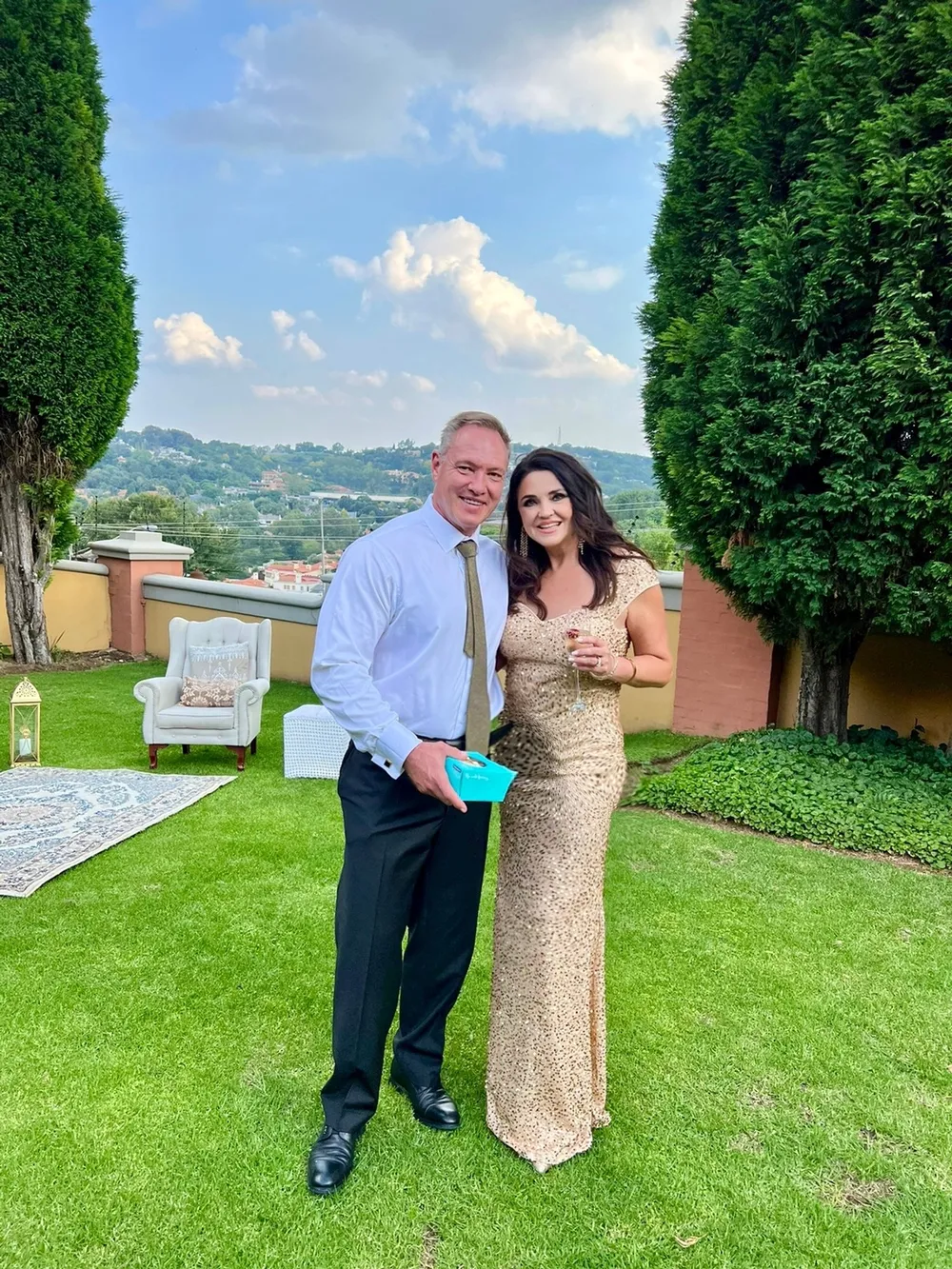
Lammerding said she had learned many useful lessons from the series over time.
“Allowing the cameras (into our lives) was an adjustment, but they only went where we let them.”
During her time on the show, Lammerding remained silent on many occasions when she felt she was being “attacked”, because she does not handle conflict well and has never found herself in a position where she has had to be dismissive, offensive or rude towards others.
“Many times I remained silent, not because I had nothing to say, but because I am not the type of person who gets involved in catfights. However, I learned from the experience and next time will not remain silent. I will address the situation in my own way, civilly.”
She said that, while she might consider doing another season of the show, she would participate in it only on certain conditions.
“It must be a completely different experience from the first one. I thought it would be classier than it was. I never want to sit back and hear someone talk to me the way one of the other housewives talked to me.”
Lammerding and her husband of 26 years have now put their R18 million property on the market and decided to explore the world beyond it.
“It’s a well-deserved break after the year that was 2022, and it was always one of our bucket-list items,” she said.
But why are people so interested in other people’s scandals and dramas?
Maryke Groenewald, a life coach and psychologist, said there had been a fair amount of research done on why people were so intrigued by reality TV series.
Groenewald said she was of the opinion that the fascination with the shows had to do with what happens in the brain when we watch stories unfold, and this was also the reason why telling stories was such a powerful form of communication.
“When we listen to a story, or watch it, something interesting happens in the brain. Stories make us remember information better, and they help us to make a connection with a person. Unlike ‘ordinary’ stories, reality stories keep our brains more engaged.”
She further explained that people tended to see versions of themselves in the characters, and oxytocin was secreted in the brain, which was the love and connection hormone.
“A personal story speaks to our emotional brain, which responds more powerfully than the rational brain. This causes us to form a bond with the characters, and the information goes to our long-term memory, which then entices us to want to watch more of the story.”

Another reason why viewers remain glued to a reality TV series is apparently because of the “social comparison theory”.
“People have a natural tendency to compare themselves and their lives with others, and when we watch reality series – with all their conflict, drama and complexity – people either feel better about their own lives or worse.”
Groenewald cautioned that viewers should bear in mind that the characters on reality TV series are paid, and that good “entertainment” is built on chaos, drama, conflict, and glamour.
“Although you may enjoy the series, be aware of the effect it can have on your psyche, and guard against comparing yourself and your life to the characters’ ‘made-up’ lives.”
Housewives are truly the gift that keeps on giving!
Weekend Argus