SANBI slams claims of neglect and decay at Kirstenbosch Botanical Gardens


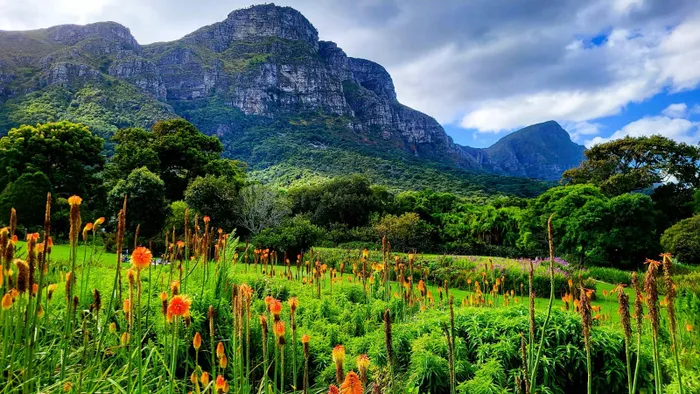
Kirstenbosch garden landscape
Image: File
The South African National Biodiversity Institute has strongly rejected allegations that Kirstenbosch National Botanical Garden is falling into decay, insisting the world-famous garden remains one of the globe’s leading botanical and conservation institutions.
The response comes after a lengthy and emotional Facebook post by a former insider and garden supporter James Deacon, went viral, painting a bleak picture of neglect, declining plant collections, low staff morale and operational dysfunction at the iconic Cape Town garden.
In the post, the writer claimed the Protea collection had shrunk to less than a third of what it once was, while only a fraction of the Ericas remained.
The post further alleged that some rare plants were being lost, empty nursery spaces were being overtaken by weeds, and procurement challenges were making it nearly impossible for horticultural staff to carry out their work.
The author also lamented the departure of respected horticultural figures, alleging that the working environment had become unpleasant and that staff morale had reached an all-time low.
The post read in part: “When I walk through nursery now I see neglect, decay and death. The amazing plant collections that have taken decades and more to establish sit neglected slowly dying.”
GOOD Party also weighed in on Deacon’s comments, saying the allegations painted “a devastating picture of institutional neglect, collapsing conservation capacity, poor financial management, procurement dysfunction, and the slow deterioration” of Kirstenbosch National Botanical Garden.
The party said if the claims were true, then this is not just an administrative problem. It is a national disgrace.
GOOD warned that financial and operational failures within conservation institutions have serious long-term consequences for biodiversity, science and heritage preservation.
“Kirstenbosch is not simply a tourist attraction. It is a living archive of South Africa’s biodiversity and ecological identity,” the party said.
But SANBI has now categorically denied claims that Kirstenbosch is in a state of neglect or deterioration.
“While we recognise that there are areas that require ongoing maintenance and attention, SANBI does not agree with the portrayal that the garden is in a state of neglect or deterioration,” the institute said.
“SANBI remains committed to ensuring that the garden continues to meet both national and international standards as a leading botanical, conservation, and tourism institution.”
The institute also rejected claims that a species housed at Kirstenbosch had gone from being extinct in the wild to completely extinct due to neglect.
“SANBI is not aware of any instance where a species has gone from being extinct in the wild to becoming completely extinct at Kirstenbosch,” it said.
According to SANBI, Kirstenbosch continues to maintain species of conservation concern as part of its ex-situ conservation mandate and has multiple safeguards in place to protect rare plants.
“These include propagation programmes, collection backups, seed banking, and collaboration with other botanical institutions nationally and internationally,” SANBI explained.
The institute added that seeds of heritage and wild-collected plants are preserved in seed banking facilities, including the Millennium Seed Bank at Kew in the United Kingdom.
Responding to criticism that the garden no longer has Protea or Erica experts, SANBI acknowledged that the institution had experienced retirements and staffing transitions in recent years, but maintained that it still employs skilled horticulturalists and has dedicated oversight structures in place.
“Kirstenbosch has experienced horticultural and botanical specialists responsible for the management of its living collections,” SANBI said.
“The garden has experienced some staff retirements and transitions in recent years, including specialists in particular plant groups. However, SANBI still has a team of skilled horticulturists and a dedicated Garden Manager providing oversight of horticultural operations.”
SANBI also denied allegations that donor funds earmarked for educational purposes had been redirected to cover salaries.
“These allegations are unfounded,” the institute stated.
“All funds are managed in accordance with donor requirements, financial governance frameworks, and applicable legislation.”
The organisation further stressed that it remains financially solvent and is continuing to implement its Financial Sustainability Strategy aimed at strengthening long-term resilience and diversifying revenue streams.
Addressing allegations around procurement failures, SANBI said it operates within the procurement prescripts of the Public Finance Management Act and is continuously working to improve efficiency in sourcing essential supplies required for garden maintenance and horticultural operations.
On concerns around staff morale and leadership, SANBI said internal engagement structures and staff support mechanisms remain in place.
The institute also sought to reassure the public that Kirstenbosch continues to play a significant role in biodiversity conservation, scientific research, environmental education and tourism.
“In the last financial year, the garden welcomed approximately 780 000 tourists, reflecting its continued relevance and strong public engagement,” SANBI said.
It added that flagship attractions such as the Kirstenbosch Summer Sunset Concert Series continue to draw thousands of visitors annually.