Effective strategies to keep mosquitoes at bay


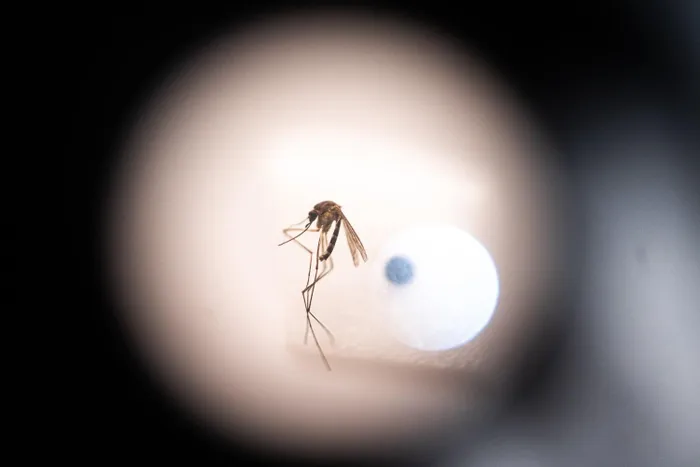
How experts outsmart the world’s deadliest animal.
Image: The Washington Post
Few things ruin an evening outdoors faster than the realization that you’re being eaten alive. While they may seem like mere nuisances, mosquitoes are among the most dangerous animals on Earth because they can transmit diseases such as dengue, malaria, and the West Nile virus. With climate change extending mosquito seasons and expanding their territory across the U.S., avoiding bites has become a matter of public health as much as personal comfort.
To help you reclaim your yard, eight leading entomologists and biology professors shared their personal strategies for minimizing contact with these biting insects.
1. Eliminate every ounce of standing water
The most effective way to curb mosquito numbers is to stop them before they hatch. Experts recommend regularly checking your property for stagnant water. While bird baths and abandoned pools are obvious culprits, mosquitoes are opportunistic.
“A lot of people don’t realize that mosquitoes can breed in sometimes very little moisture,” says Adrian Vasquez of Mercer University. Even a small amount of water, such as that in a plastic bottle cap, can support a new generation of mosquitoes. Check for puddles in old tires, leaf litter, potted plant bases, and even small toys or pool floats left on the grass.
2. Use Bti for permanent water features
If you have water you cannot drain—such as a fish pond or a decorative urn—use a larvicide containing Bti (Bacillus thuringiensis israelensis). This naturally occurring bacterium produces toxins that specifically target the larvae of mosquitoes and gnats without harming humans, pets, fish, or birds.
Products like Mosquito Dunks (which look like tiny hockey pucks) or Mosquito Bits (granules) can be dropped into drains or ponds. They typically remain effective for about a week, preventing the next wave of adults from emerging.
3. Choose the right repellent
Not all repellents are equal. Experts point to three primary active ingredients validated by the EPA for safety and efficacy:
DEET: Developed by the U.S. Army, it remains the gold standard. It works by suppressing the scents mosquitoes use to find humans.
Picaridin: A synthetic repellent that is highly effective against both mosquitoes and ticks.
Oil of Lemon Eucalyptus: A plant-based alternative that repels mosquitoes from a distance, though it requires more frequent reapplication and should not be used on children under age three.
4. Turn clothing into a shield
Physical barriers are your next line of defense. When gardening or hiking, wear long sleeves and long pants to minimize exposed skin. For added protection, use permethrin, a synthetic insecticide designed for fabric.
You can buy pre-treated clothing or apply a permethrin spray to your own gear. “I spray my hat, the bottom of the hat, my sleeves, and then my shoes,” says Cornell professor Laura Harrington. Unlike topical repellents, permethrin stays on the fabric through several washes and can actually kill mosquitoes upon contact.
5. Create a 'Protection Bubble'
If you are stationary—such as dining on a patio—you can use environmental controls:
Fans: Mosquitoes are weak flyers. A well-placed fan (especially one aimed under the table at your legs) makes it difficult for them to land.
Spatial Repellents: Devices like those made by Thermacell use rechargeable batteries to emit a small amount of repellent into the air. These create a radius of protection that is highly effective for outdoor entertaining.
By combining these strategies—removing breeding sites, using proven repellents, and creating physical barriers—you can significantly reduce your risk of bites and enjoy the warmer months safely.