Mimi Coertse: celebrating the life of a South African opera pioneer



SA opera singer, Mimi Coertse hailled a national treasure.
Image: Facebook
South Africa has lost one of its most profound cultural ambassadors with the passing of the internationally acclaimed opera legend, Mimi Coertse, at 93.
She died in her sleep at her home in Pretoria this week.
A soprano of extraordinary range and discipline, Coertse was a pioneering figure who elevated South African artistry to the pinnacle of the global stage.
Born in Durban in 1932, Coertse’s meteoric rise began with her 1951 debut in Johannesburg performing Handel’s Messiah. Her talent soon took her to Vienna, Austria, where she became a celebrated fixture of the Vienna State Opera. She was best known for her definitive interpretations of the Queen of the Night in Mozart’s The Magic Flute and Zerbinetta in Richard Strauss’s Ariadne auf Naxos—roles that required a technical mastery few in history have matched.
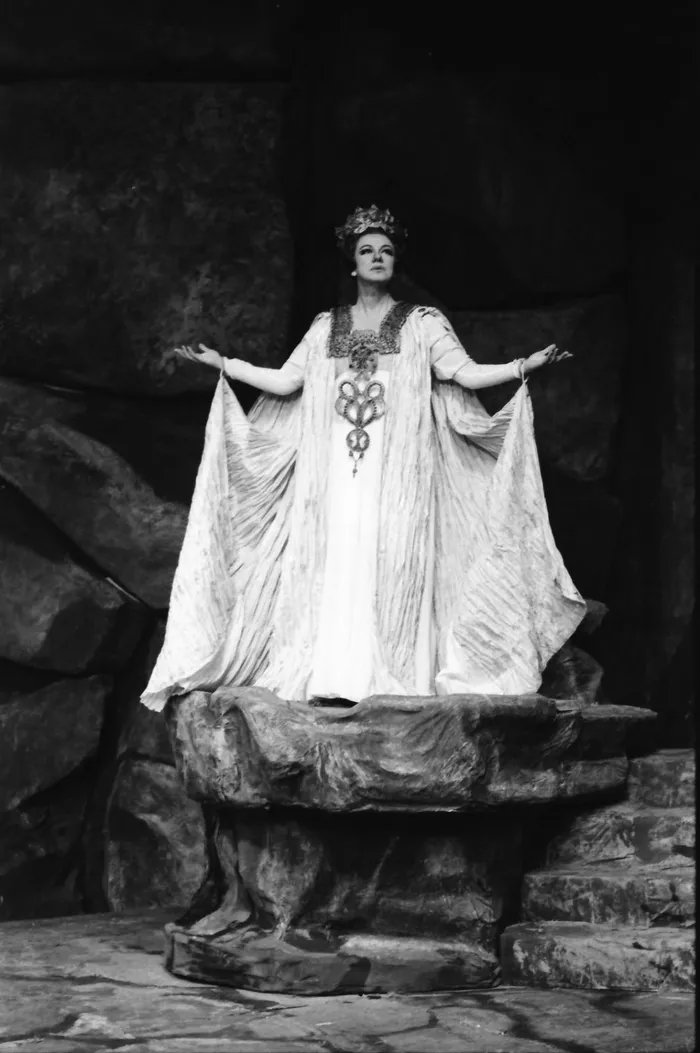
Renowned opera legend Mimi Coertse in 1975 in Norma by Vincenzo Bellini.
Image: Artscape
Her contributions were twice honoured by the Austrian government. In 1966, she was bestowed the title of Kammersängerin, and in 1996, she received the Austrian Decoration for Science and Art, one of the country's highest accolades.
The Minister of Sport, Arts and Culture, Gayton McKenzie, expressed deep sadness at the news, describing Coertse as an enduring symbol of national excellence.
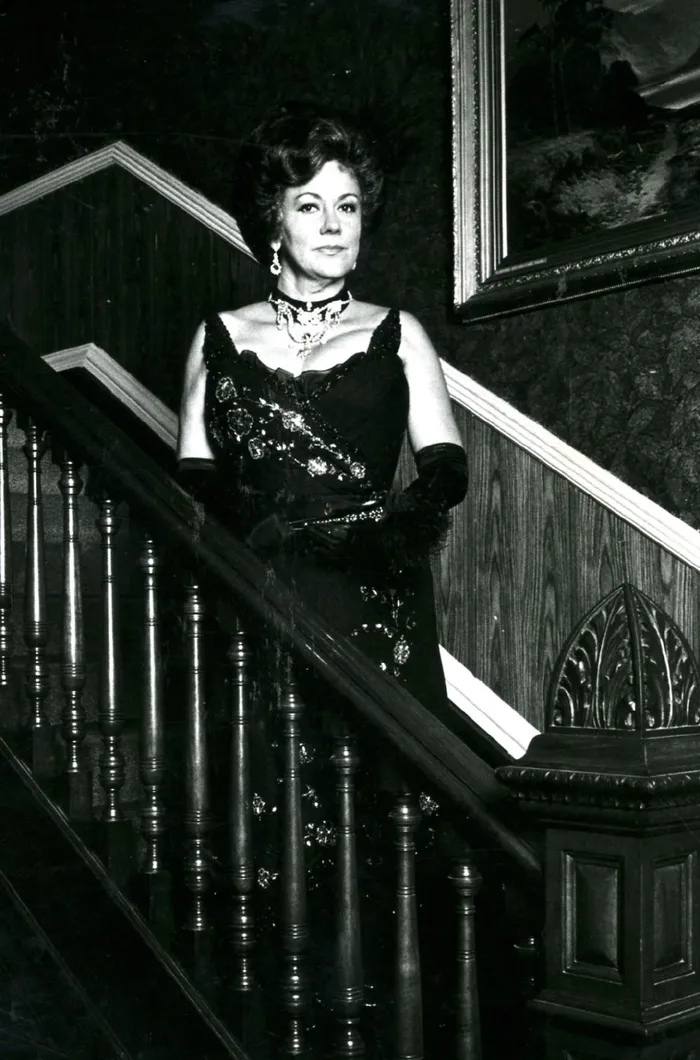
5270991148074362a02af801e09386f03149ee0b3b3f55e8 19/5/06 Mimi Coertse in The Merry Widow (1979) Picture. BYLINE UNKNOWN
Image: BYLINE UNKNOWN
"Mimi Coertse was not merely an opera singer," Minister McKenzie said. "She was a national treasure, a pioneer, and an enduring symbol of South African excellence. Through her extraordinary talent and discipline, she opened doors for South African artists internationally and affirmed that our voices belong on the greatest stages in the world."
Beyond the grand opera houses of Europe, Coertse was a staunch champion of her heritage. She was instrumental in promoting Afrikaans art music and poetry, ensuring that local cultural expression received the same prestige as European classics.
Upon her return to South Africa in 1973, she shifted her focus to mentorship, co-founding the Black Tie Ensemble and establishing the Mimi Coertse Bursary to support the next generation of classical singers.
In Pretoria, she created a home that was both domestic and artistic, marrying the businessman Werner Ackerman in 1970 (her third and last marriage) and adopting two children, Mia and Werner, after enduring five miscarriages.
McKenzie added that she made a "lasting contribution to the growth and recognition of Afrikaans arts and culture," highlighting her role in preserving the country’s musical heritage through her recordings and collaborations with local composers.
The National Arts Council of South Africa (NAC) honoured her as a "national treasure" and a "cultural giant" whose voice and dedication shaped South Africa's artistic heritage for decades
The National Arts Council has extended its heartfelt condolences to her family and colleagues. While the physical voice of this cultural giant has been silenced, her legacy remains etched in the history of the arts, ensuring that the path she cleared for South African performers remains open for generations to come.