Cape Town's political landscape shifts as possible mayoral candidates emerge


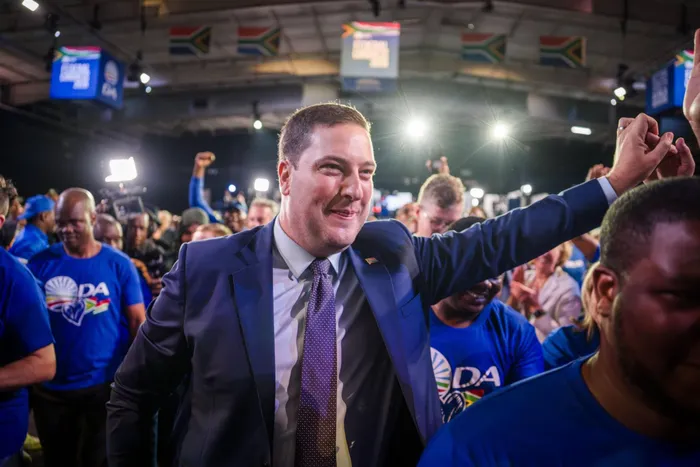
Cape Town Mayor Geordin Hill-Lewis
Image: DA/Facebook
Cape Town’s political landscape is beginning to take shape ahead of the next local government elections, with parties gradually revealing their strategies, timelines and mayoral contenders for the city’s top job.
One of the most definitive early candidacies comes from the National Coloured Congress (NCC), which has officially backed Ellen Pakkies as its mayoral candidate for the City of Cape Town.
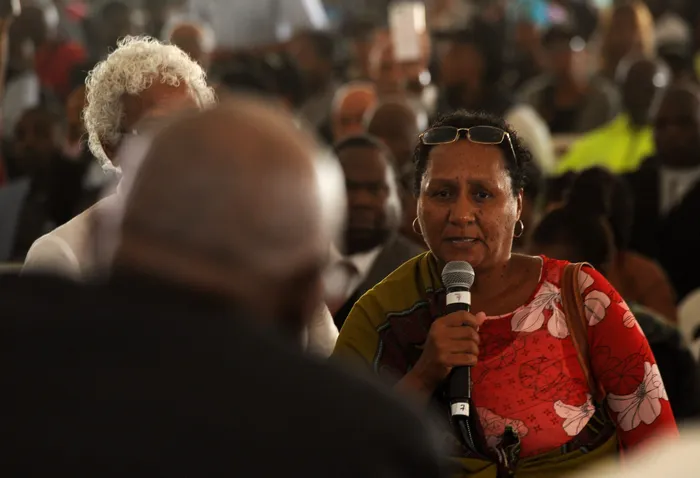
Ellen Pakkies
Image: FILE
Pakkies has centred her campaign on social issues affecting vulnerable communities, particularly on the Cape Flats. Her priorities include tackling drug abuse, expanding access to rehabilitation services, and pushing for stronger social development interventions in high-risk areas. She has also emphasised the importance of community-driven solutions, positioning her leadership as rooted in lived realities rather than political rhetoric.
Speaking in earlier campaign messaging, Pakkies stressed that her work is driven by the daily struggles of residents in affected communities, arguing that leadership must reflect the voices of those often excluded from decision-making. Her candidacy has been framed by the NCC as part of a broader effort to bring grassroots experience into formal governance structures.
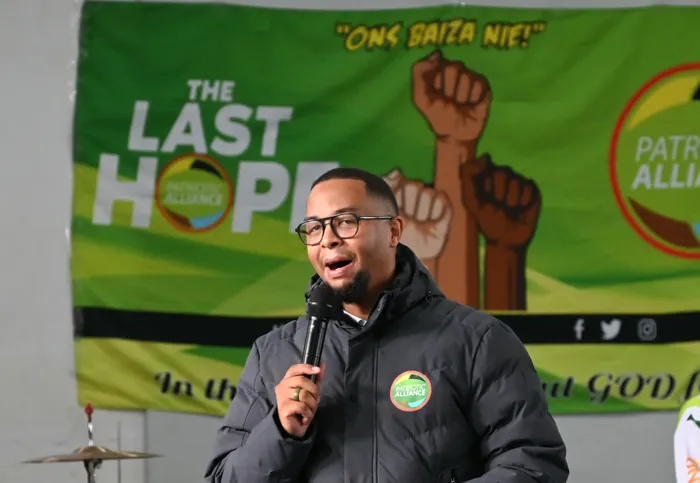
Patriotic Alliance (PA) Cape Town mayoral candidate and Ward 51 councillor Cheslyn Steenberg.
Image: Ayanda Ndamane / Independent Media
The Patriotic Alliance (PA) has also moved early in its campaign, unveiling Ward 51 councillor Cheslyn Steenberg as its mayoral candidate at a packed church gathering over the weekend. The party introduced candidates expected to contest all 116 wards in the City of Cape Town.
Addressing supporters, Steenberg struck a firm tone on internal discipline, cautioning against infighting and distractions. He emphasised that unity within the party would be critical in the months ahead, while also calling for a campaign grounded in respect towards political opponents. He positioned the PA as an alternative to the current administration, arguing that Cape Town residents are seeking a more inclusive and responsive city government.
Meanwhile, other parties are still in various stages of their candidate selection processes. The African National Congress (ANC) in the Western Cape has confirmed that its internal processes began earlier this month, with branch-level meetings underway to nominate ward and proportional representation candidates. These processes are expected to culminate in the identification and vetting of mayoral candidates for metros such as Cape Town, with final announcements anticipated by the end of June.
While the ANC has not yet confirmed its candidate, Khalid Sayed has emerged in political analysis and prediction as a possible contender. Sayed, who serves as Leader of the Opposition in the Western Cape, has been particularly vocal on education issues and has been active in parliamentary and governmental affairs since 2011.
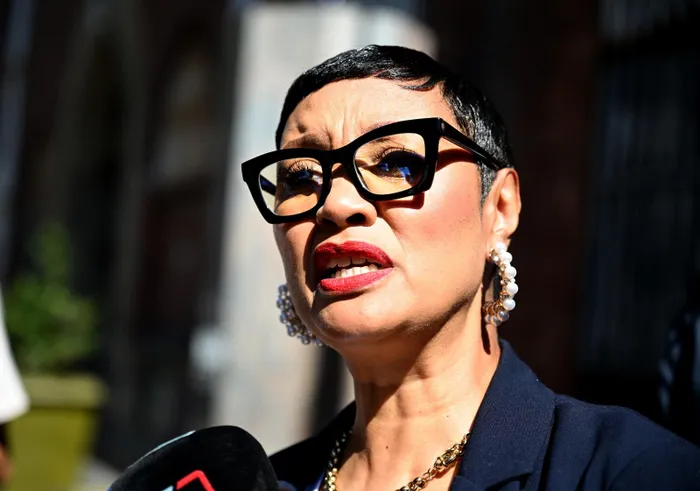
ActionSA MP Dereleen James.
Image: Ayanda Ndamane / Independent Media
The ActionSA has indicated that it is still finalising its decision, with an announcement on its Cape Town mayoral candidate expected next month. Provincial spokesperson Matthew George confirmed the timeline. Among the predicted contenders is Dereleen James, also known as the “Cape Flats auntie”, recognised for her anti-drug activism, recovery coaching and work as a public speaker. She currently serves as a Member of the National Assembly.
The governing party in the Western Cape, the Democratic Alliance (DA), has remained tight-lipped about its mayoral candidate for the City of Cape Town, even as it rolls out candidates across other municipalities. However, it is widely expected that newly elected DA federal leader Geordin Hill-Lewis will retain his position as mayor while also serving in his national leadership role.
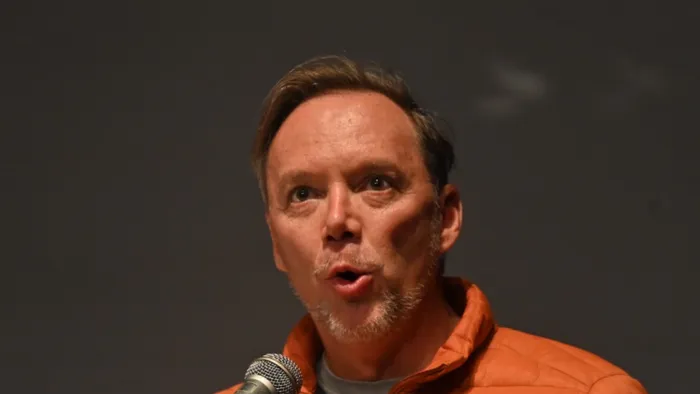
GOOD member of the Western Cape Provincial Parliament, Brett Herron.
Image: Ayanda Ndamane/Independent Newspapers
Hill-Lewis, the DA’s youngest federal leader and a sitting mayor, has received backing from senior party figures, who have drawn comparisons to former leader Helen Zille, who previously held both governance and party leadership responsibilities simultaneously.
Attention is also on the GOOD Party, where party secretary-general Brett Herron is considered a likely mayoral contender. Herron entered politics in 2009 as chairperson of the Social Development Portfolio Committee, later serving on the Mayoral Committee for Community Services, and in 2011 as Mayoral Committee Member for Transport for Cape Town. Before entering politics, he worked as an attorney in South Africa and in New York.
Prominent political analyst Nkosikhulule Nyembezi says South Africa’s electoral system provides stability through constitutionally defined election cycles, ensuring predictable democratic intervals even during crises such as the COVID-19 pandemic.
Nyembezi notes that while Cape Town is often viewed as a showcase of governance under the DA, this model is not easily replicated nationally, particularly in coalition-led municipalities. He argues that voters are increasingly influenced less by early candidate announcements and more by coalition agreements and measurable service delivery commitments.

Khalid Sayed
Image: Supplied
He further highlights that growing scrutiny of corruption and maladministration, supported by Auditor-General reports and commissions of inquiry, is likely to influence voter assessments of candidates. Nyembezi also points to shifting voter dynamics, including the growing influence of younger and undecided voters, as a key factor shaping the outcome of the upcoming elections.
Political analysts broadly agree that candidate credibility, governance track record and the ability to connect with communities across socio-economic divides will be key determinants in the race.
Despite the growing speculation and internal positioning, the official election date has not yet been proclaimed. According to Kate Bapela, spokesperson for the Electoral Commission of South Africa (IEC), the authority to announce and proclaim the date of local government elections lies with the Minister of Cooperative Governance and Traditional Affairs.
Bapela noted that while the date remains unconfirmed, the constitutional term of municipal office expires on 1 November 2026. Elections must therefore be held within 90 days of that date, placing the expected voting window between November 2026 and January 2027.
In preparation, the IEC has already scheduled a national voter registration weekend for 20–21 June 2026. However, key processes such as the candidate nomination window will only be finalised once the election timetable is formally issued following the proclamation of the election date.