Stellenbosch University pioneers CRISPR technology for grapevine resilience


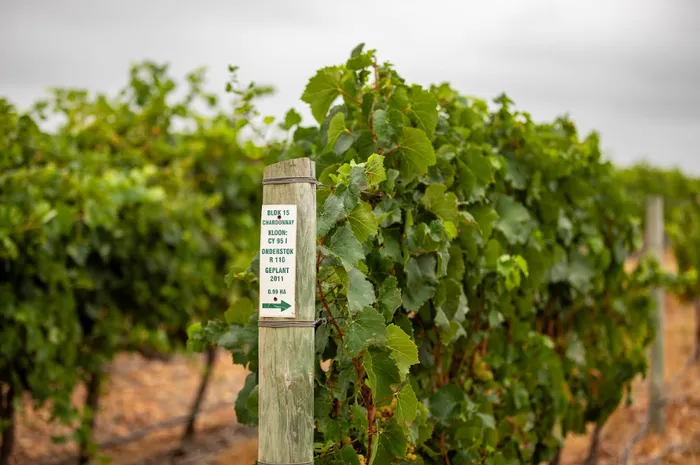
Scientists at Stellenbosch University rewrite grapevine DNA to defy disease and drought.
Image: File
In a landmark achievement for African science, researchers at Stellenbosch University and the Agricultural Research Council have successfully used CRISPR technology to genetically edit a woody crop for the first time on the continent. By making surgical strikes on the grapevine’s genetic code, the team has effectively "switched off" a specific gene, VvDMR6.1, which previously acted as a gateway for infection.
This precise intervention has not only rendered the plants significantly more resistant to downy mildew—a devastating fungal disease that plagues vineyards globally—but has also yielded an unexpected "double win" for climate resilience. Lead researcher Dr Manuela Campa noted thatthe modified vines demonstrated a superior ability to conserve water, enabling them to thrive in the increasingly arid conditions brought about by climate change.
This dual-purpose edit is particularly vital for South Africa’s high-value agricultural sector, where viticulture faces the compounding pressures of intensifying disease outbreaks and prolonged water shortages. Traditionally, the complex biology and long breeding cycles of woody perennials have made them notoriously difficult to modify, but this breakthrough proves that advanced genome editing can bypass decades of traditional cross-breeding.
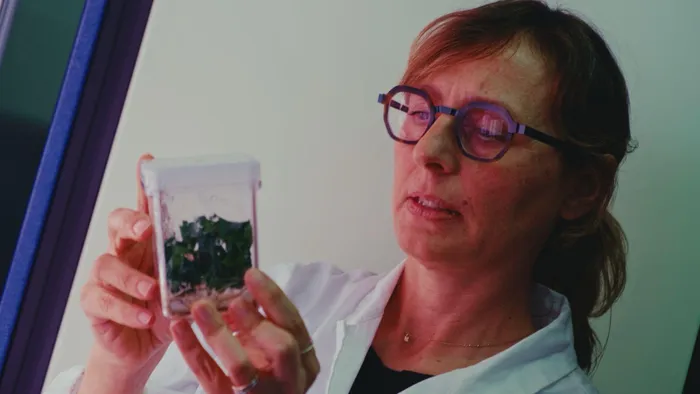
Dr Manuela Campa with in vitro grapevine plants.
Image: Supplied
By integrating these modern biotechnological approaches into African crop improvement programmes, scientists are now equipped to develop "climate-proof" varieties that ensure sustainable production while drastically reducing the industry's reliance on chemical fungicides. This study, recently published in the journal Plant Stress, represents a pivotal shift toward domestic food security and technological sovereignty, providing a powerful new template for protecting Africa’s most vital horticultural assets against a warming world.