CapeNature's Green Noise podcast tackles the devastating impact of wildfires in the Cederberg


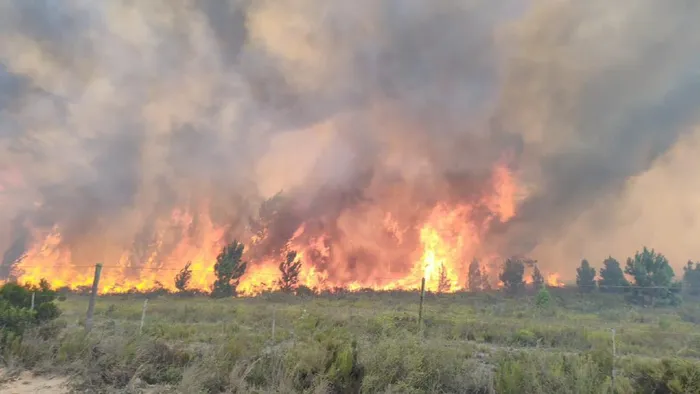
The fire in the Cederberg damaged hundreds of hectares of vegetation.
Image: Facebook
As South Africa finds itself amid a gripping wildfire season, CapeNature has launched an urgent series of its acclaimed Green Noise podcast to delve into the heart of the crisis. The dedicated series, which went live in April 2026, reveals the human and ecological toll of a devastating fire that ravaged the Cederberg Wilderness.
The catastrophic blaze, which ignited on December 22, 2025, along Uitkyk Pass, scorched approximately 53,000 hectares of land, affecting both CapeNature-managed areas and adjacent private properties. Although the fire was finally contained on January 5, 2026, the extensive damage has left hiking trails, wild camping spots, and conservation sites indefinitely closed. This closure will allow for necessary safety assessments and rehabilitation efforts, highlighting the long-term impact of such wildfires on natural landscapes.
In its latest podcast episodes, Green Noise offers listeners an immersive experience at the forefront of wildfire management. Featuring exhilarating firsthand accounts from aerial firefighting crews, conservation experts, and climate scientists, the series intimately conveys the scale and complexity of one of the harshest fire seasons in recent history.
The podcast underscores a vital message: aerial support, while crucial, cannot quell the flames alone. Effective wildfire suppression relies on rigorous coordination between ground crews and aerial teams who tackle hotspots amidst perilously challenging conditions. Experts featured in the series delve into several insights that have emerged as key themes throughout the wildfire crisis:
- The strategic role played by helicopters in combating wildfires
- The necessity of early response and coordinated incident command
- The physical and psychological challenges faced by firefighting teams
- the environmental and economic ramifications of wildfires for biodiversity and local livelihoods.
One overarching theme presented in the podcast is the alarming influence of climate change on fire behaviour, and seasonality. With increasingly erratic weather patterns, extended heatwaves, and inconsistent rainfall, the conditions for wildfires are becoming more pronounced, resulting in longer fire seasons and increased pressure on response teams across the Western Cape.
Monique Ruthenberg, Conservation Manager at CapeNature, warns of the escalating threat posed by human factors—ranging from increased encroachment into natural areas to inadequate fire management strategies. “Fire is a natural and essential part of our fynbos ecosystems, but we are seeing a clear shift in its intensity and frequency,” she said, emphasising the importance of addressing neglect in fire safety measures.
Further underscoring this sentiment, James Reeler, Senior Technical Specialist in Climate Action at the World Wildlife Fund South Africa, reflects on the broader implications of climate change on wildfire regimes: “We are witnessing unmistakable signs that climate change is influencing fire patterns, extending the duration and severity of fire seasons globally and locally.”
The podcast series does not merely examine operational challenges; it also highlights the profound human and ecological impacts stemming from these fires. The Cederberg, celebrated for its remarkable biodiversity and cultural significance, has suffered extensive destruction, with ecosystems facing years of recovery after the fire. Local communities reliant on farming and small-scale harvesting have also felt the detrimental effects, with livelihoods disrupted by the destruction of their environment.
By capturing the personal narratives of firefighters grappling with extreme conditions and communities mourning their losses, Green Noise illuminates the intricate relationship between emergency response and ecological conservation. The Green Noise emergency fire series is currently available on the CapeNature website as well as across all major podcast platforms. Listeners are encouraged to engage with this compelling series, which offers a crucial understanding of the interplay between climate change, conservation, and emergency response in safeguarding the Western Cape’s natural heritage.