Inside the violent war against Intercape: the extortion mafia of South Africa's long-distance transport


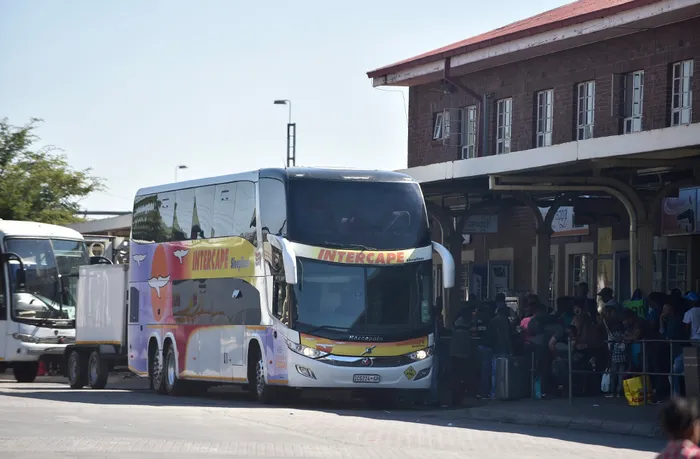
Intercape buses travelling long routes, are among the bus operators that were regularly targeted by an extortion mafia. Seven suspects have appeared in court.
Image: FILE
The arrest of seven suspects linked to a ruthless extortion ring represents a watershed moment in the bloody struggle for South Africa’s transport routes—but for Intercape, this is merely the beginning of the end for the 'transport mafia'.
For years, South Africa’s premier long-distance bus operator has been trapped in a state of siege, targeted by an orchestrated campaign of terror designed to force compliance with criminal demands. The recent crackdown by the South African Police Service (SAPS) and the Western Cape Taxi Violence Task Team has dismantled a key cell of this underworld enterprise, yet the scars of their "reign of impunity" run deep.
Intercape has long been the primary target of a nefarious criminal ring that operates with cold, paramilitary precision. The company alleges that these extortionists sought to seize control of the commercial landscape by demanding raised fares, restricted bus frequencies, and the total abandonment of specific routes to benefit rival taxi associations.
When the operator refused to bow to these demands, the retribution was swift and savage. Since 2020, the company has documented over 220 incidents of targeted violence, including:
High-speed shootings and coordinated stonings of buses in transit.
The cold-blooded murder of driver Bangikhaya Machana in April 2022.
Terrorisation of passengers, who have been forcibly dragged from coaches and assaulted as a warning to the public.
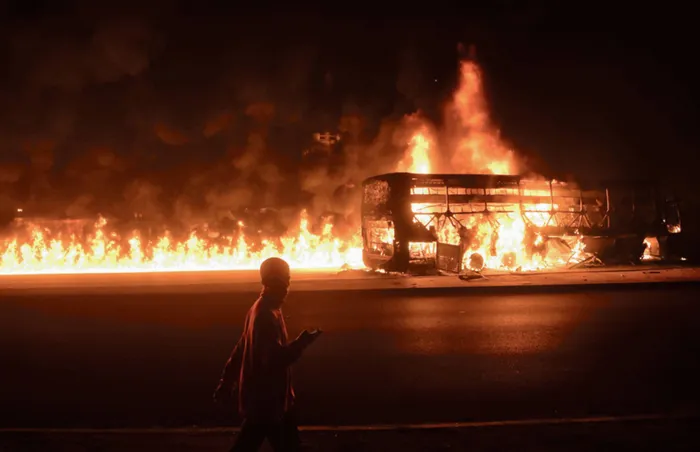
Protests, extorsion and robberies plagued the long-haul bus industry. Seven suspects, believe to part of an extortion mafia have appeared in court.
Image: File picture: Oupa Mokoena / Independent Media
While Intercape has lauded the National Prosecuting Authority (NPA) for these initial arrests, management remains adamant that the rot goes much deeper. Under the Prevention of Corrupt and Corruption-Related Activities Act (PRECCA), the company calls for a relentless pursuit of the financiers and kingpins—the "white-collar" criminals weaving the web from the safety of boardrooms.
The company’s frustration is also directed at the South African Competition Commission. Despite eight detailed submissions alleging blatant price-fixing and illegal market allocation by organised taxi groups, the Commission’s perceived inertia has allowed these anti-competitive—and often lethal—practices to flourish.
The crisis has exposed a disturbing intersection between criminal enterprises and state organs. In a landmark ruling, the Makhanda High Court previously found that a former provincial transport official acted unlawfully by attempting to coerce Intercape into "negotiations" with the very taxi associations threatening them.
Furthermore, a deafening silence from the highest levels of government has exacerbated the sense of lawlessness. Intercape confirms that four formal pleas for intervention sent to President Cyril Ramaphosa over the past 18 months have disappeared into an administrative void, receiving no substantial response.
For Intercape, this is no longer just a business dispute; it is a battle for the fundamental constitutional rights of South African citizens—the right to safety, the right to work, and the freedom of movement.
As the seven suspects face the judiciary, the message from the transport industry is clear: the rule of law must be restored. These arrests must serve as the catalyst for a total purge of the extortion networks that have, for too long, held the nation’s highways hostage.