Innovative smart school shoes that grow with your child


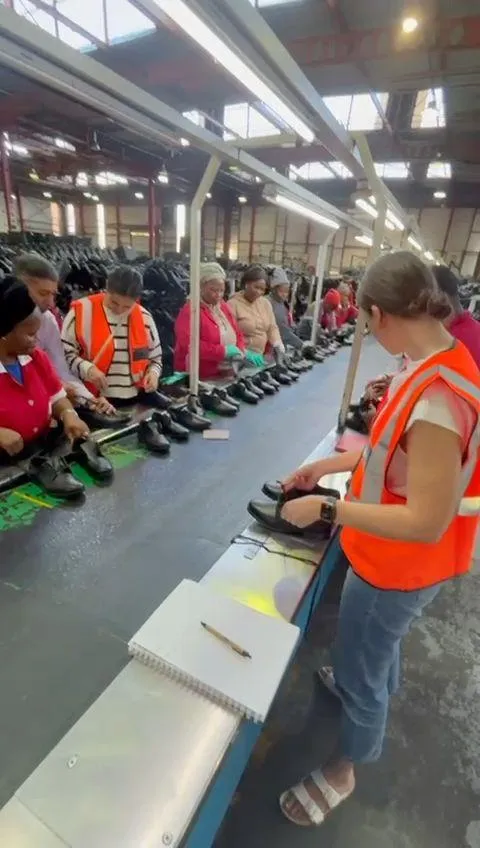
The smart-school shoe
Image: Supplied
A group of young innovators from the University of Cape Town (UCT) are stepping forward with a creative solution to a problem many South African families know all too well: children outgrowing their school shoes faster than parents can afford to replace them.
Now, thanks to a project developed through UCT’s Genesis Programme as part of a Postgraduate Diploma in Management (Entrepreneurship) in 2025, those shoes may soon be able to grow alongside the children wearing them.
The idea was sparked during field research in Langa, a township, on the outskirts of Cape Town, where the team saw firsthand how quickly worn-out or tight-fitting shoes can become both a financial burden and a source of discomfort and embarrassment for learners.
The innovation was developed by Charnè Verster, together with Kelly O’Sullivan and Cindy McKenzie, after identifying the impact poorly fitting shoes can have on both families and children’s confidence.
“We kept seeing the same issue: parents struggling to repeatedly buy new school shoes because their children outgrow them so quickly. It’s not just a financial burden; it also affects children’s confidence when they have to wear worn-out or uncomfortable shoes,” said Verster.
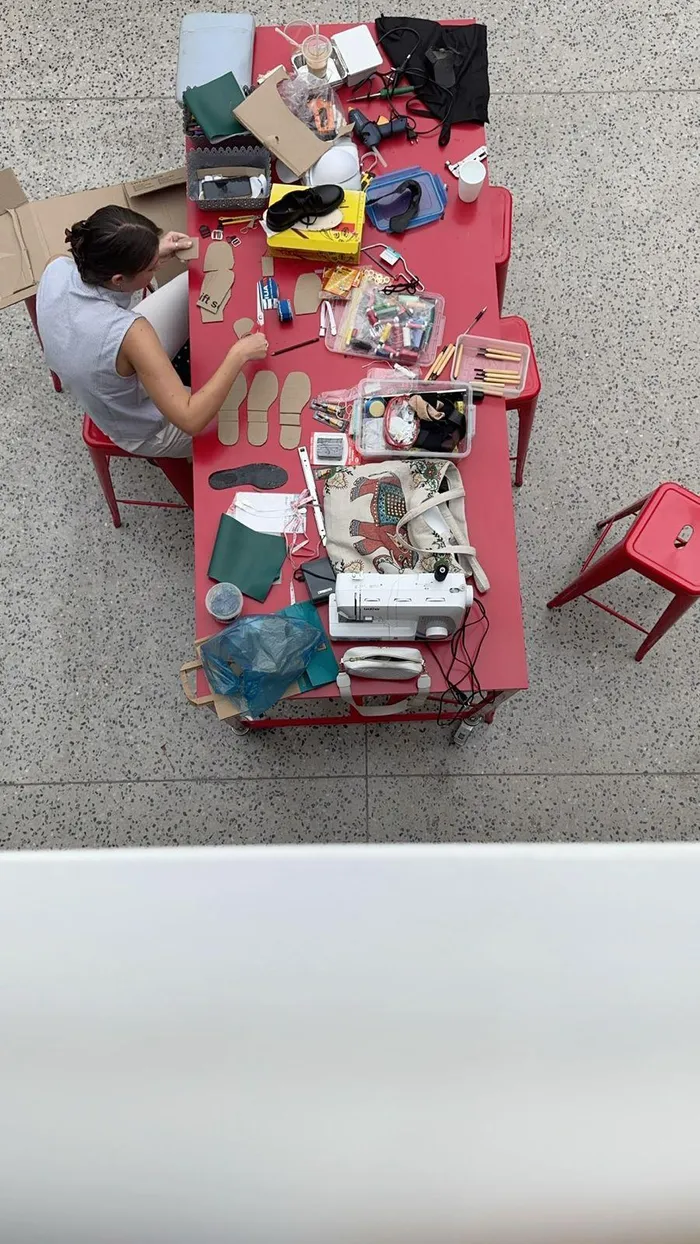
The ladies during their trial and testing period
Image: Supplied
“That’s when I asked a simple question: what if school shoes could grow with the child? That question became the foundation of everything that followed.”
From that question, the team began building what is now Smart School Shoes a product designed not just for walking to school, but for keeping up with growing feet.
Verster led the concept development and worked closely with her teammates to bring the idea to life.
“We went through multiple iterations researching materials, refining the design, and building prototypes, while also shaping the business model alongside the product itself. It was a very hands-on process, from ideation all the way to preparing for manufacturing,” she said.
At the heart of the innovation is a patented mechanism in the sole that allows the shoe to expand by up to three sizes. The design also includes a broad toe box for added comfort, a reflective heel strip for visibility, and a built-in smart tracker.
But creating a shoe that can stretch without compromising on strength wasn’t simple.
“One of the biggest challenges was balancing durability, comfort, and expandability. School shoes go through intense daily wear, so the materials had to be strong enough to last, while still allowing flexibility for growth,” Verster explained.
“As entrepreneurship students, we had to quickly learn about materials science, manufacturing processes, and product engineering, areas that weren’t part of our formal training. Scaling the product for mass production and building the right manufacturing partnerships was also a complex hurdle.”
The team tested their designs by working closely with learners and parents, refining the shoe based on real-world feedback.
“It also showed how meaningful a long-lasting solution could be for families, not just financially but in terms of dignity and confidence for children,” she said.
For many households, the innovation could mean fewer trips to the shops and more money saved, but for learners it could mean something even more important.
“Our goal is to significantly reduce the financial pressure on families by replacing multiple pairs of shoes with one that lasts longer,” said Verster.
“Beyond cost savings, we want to ensure that every child has access to comfortable, supportive footwear that allows them to focus on their education with confidence.”
With plans underway to partner with one of South Africa’s largest retailers by the end of the year, the team hopes their invention will soon be walking its way into classrooms across the country and eventually, across the continent.
As the group puts it: “Because sometimes, the smallest step forward starts with the right pair of shoes.”