Exploring the true meaning of Easter through a child's eyes


In her column, Tracy shares experiences and lessons learnt as she navigates life and grows with her two boys. To share your views email Tracy on [email protected] In her column, Tracy shares experiences and lessons learnt as she navigates life and grows with her two boys. To share your views email Tracy on [email protected]
Image: File
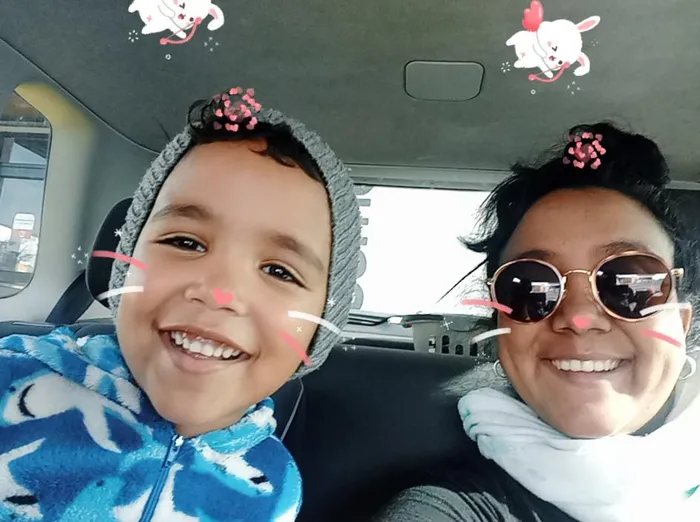
My big boy started asking me questions about Easter
Image: Mommy selfie
This Easter hit differently. Not because of the sweets or the candy overload, but because my seven-year-old decided this was the year to actually ask why we do all this stuff. And by “ask,” I mean interrogate. With follow-up questions. And even more follow-ups.
It started with, “Mommy… why do we eat Easter eggs?” I paused, thinking maybe this would be easy. But no. Seven-year-olds don’t want an easy answer they want a convincing one. I told him eggs are about new life, and Easter is about Jesus’ resurrection (when he rose again).
He looked at me, silent for a moment, and then, “But Mommy… there’s nothing inside the egg. Why?”
Honestly this is when I froze. Not because I didn’t know what to say, but because suddenly I realized he was connecting the tradition to the celebration itself.
“That’s kind of the point,” I said slowly. “The tomb was empty because Jesus rose. He’s alive.” Cue him staring at me like I’d just said something illegal.
Then he hit me with the question I knew was coming: “Mommy… is Jesus really alive?” I almost laughed. Almost. Because now we’re past Easter eggs and sweets and right into deep theology before breakfast.
I told him, “Yes, He’s alive. Not like you and me walking around, but alive in people’s hearts. When we love or forgive or help someone, that’s Jesus.” He nodded slowly, eyes wide, then asked another 20 more questions that made me question whether I was qualified to be a mommy at all.
Later, the conversation shifted to the traditions surrounding Easter meals. I explained why some families avoid meat, to honour the religious tradition of abstaining from warm-blooded animals to commemorate Jesus’ crucifixion.
I told him about the pickled dish we eat, how it symbolizes the vinegar given to Christ on the cross, and how its roots go back to fishermen preserving fish during holidays when they didn’t work. He wrinkled his nose looking like I just told him an unbelievable story and continued: “So… we’re eating fish that’s been in vinegar forever?”
“Yes,” I said, “but it has meaning beyond taste, and that’s what matters.” He nodded, clearly storing this information for future skeptical commentary.
Somewhere in the chaos, it hit me: this is what Easter is really about. Not sweets or bunnies or perfectly Instagrammable baskets. It’s about talking, questioning, and trying to make sense of something bigger than us. He’s seven. He’s starting to think for himself. And yeah, sometimes it’s exhausting, but it’s also kind of amazing.
By bedtime, he curled up and whispered, “Mommy… I think I like Easter more now. It’s not just sweets.”
My heart did a little jump. Because yes, it’s messy, sticky, loud, and confusing, but in moments like this, he actually gets it. He’s starting to understand life, hope, and love, not just Easter eggs.
So that’s my Easter takeaway: teaching him the true meaning isn’t neat or sugar-coated. It’s endless questions, awkward explanations, family traditions that need explaining, and a little bit of chaos. And somehow, in that mess, the lessons stick.