Understanding visitor experiences at South Africa's World Heritage Sites post-Covid-19


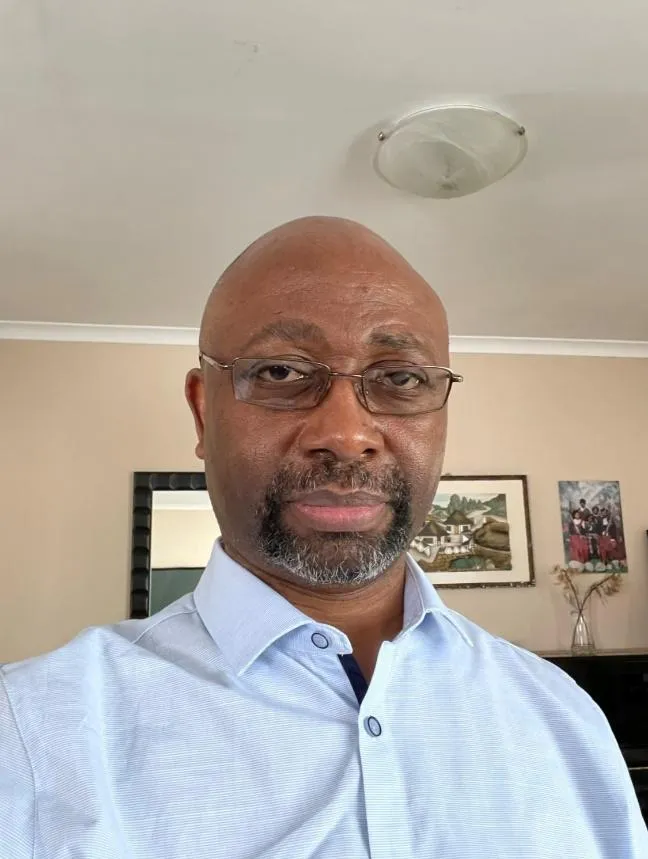
Shoni Khangala
Image: Supplied
In a groundbreaking study from the University of Cape Town (UCT), PhD candidate Shoni Khangala has uncovered significant disparities in the perceptions of local and international visitors to South Africa's World Heritage Sites (WHS), specifically Robben Island Museum and Table Mountain. This research, which explores the post-Covid-19 visitor experience, offers critical insights that challenge traditional notions of tourism strategies.
Khangala’s dissertation, titled “Reimagining the tourists’ customer journey post-COVID-19: A case study of two World Heritage Sites – Robben Island Museum and Table Mountain,” reveals that notable similarities in the cultural richness of WHSs do not translate into a uniform experience for all visitors. The study emphasises that a one-size-fits-all tourism strategy is insufficient, highlighting the need for tailored approaches based on distinct visitor demographics.
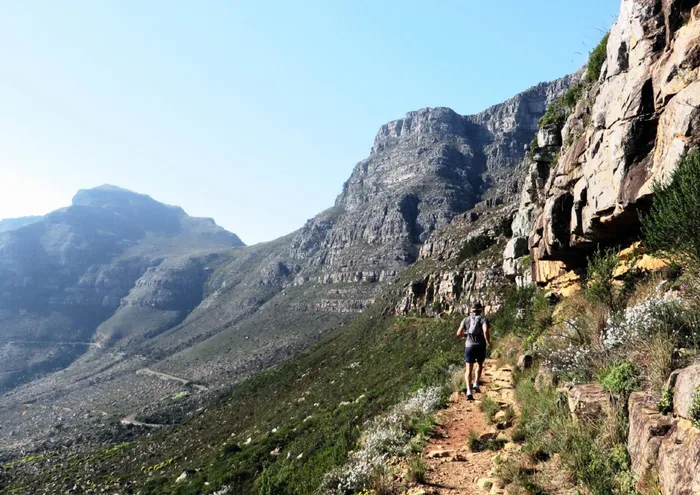
Study illustrates varying experiences at World Heritage Sites for locals and tourists.
Image: File
“I wanted to understand the entire journey, but with a specific focus on how it has been reshaped by the Covid-19 pandemic,” said Khangala. His analysis delved into several influential aspects, including whether visitors recognise they are at a WHS, how pandemic-related concerns affect their behaviour, and how core experiences—ranging from learning and entertainment to escaping daily life and appreciating natural beauty—formulate their overall visitor satisfaction.
A remarkable revelation from the study is the finding that merely being aware that a site is a WHS does not enhance the visit experience. Instead, Khangala’s research underlines the importance of learning, enjoyment, environmental beauty, and the factors that allow visitors to momentarily escape their daily routines as pivotal to their satisfaction and loyalty. “Overall, the findings show that carefully managing the visitor experience is essential for the long-term sustainability of WHSs, especially in developing countries,” he emphasised.
Khangala, who is among a select few South Africans to gain professional experience at both iconic sites, has an intrinsic motivation behind his research. He aims to elevate these WHSs on a global scale by contributing to a broader understanding of how they have been impacted by the lingering effects of the Covid-19 pandemic and how resilient recovery strategies can be implemented.
Despite the global recognition of WHSs for their cultural and natural significance, Khangala notes that there is a lack of research regarding visitor experiences at these sites, particularly in developing nations. He posits that understanding the shifts in visitor expectations and behaviours due to the profound disruptions to tourism caused by the pandemic is crucial for future strategies. By focusing on Robben Island and Table Mountain, he offers valuable insights that resonate with both academic discourse and tourism practices.
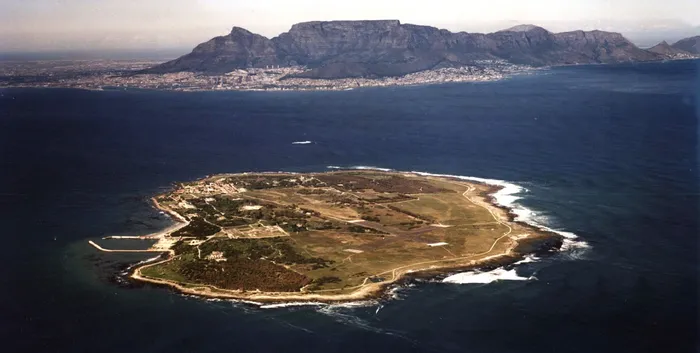
Treasured island: Robben Island is one of South Africa�s World Heritage Sites. A new study from UCT is reshaping our understanding of visitor experiences at World Heritage Sites, and why tailored tourism strategies are essential for the road ahead in a post-pandemic world.
Image: Unknown
The implications of well-managed tourism extend beyond individual site satisfaction; they safeguard cultural and natural heritage for future generations while bolstering local economies and supporting community jobs. Khangala asserts that this research is pivotal in enhancing visitor experiences, ultimately leading to a deeper appreciation of shared heritage which benefits the sites, the local economy, and the visitors themselves.
As a “time capsule” of visitor sentiment during a specific recovery period in late 2022 and early 2023, Khangala's findings will serve as a crucial reference for future research. “Studying the dynamics of both a cultural and a natural heritage site allows us to understand that different types of sites necessitate distinct visitor engagement strategies. Thoughtfully designed experiences that balance education, enjoyment, and meaningful engagement pave the way for more resilient and sustainable tourism in an uncertain global landscape,” he concluded.
Khangala is set to graduate with his PhD in Marketing from UCT’s Faculty of Commerce on Wednesday, 1 April 2026, at the Sarah Baartman Hall, marking a significant milestone in his exploratory journey into the intricate relationships between tourism, culture, and identity.