Second complaint lodged against Mitchells Plain District Hospital over patient care issues, prompting Human Rights Commission involvement


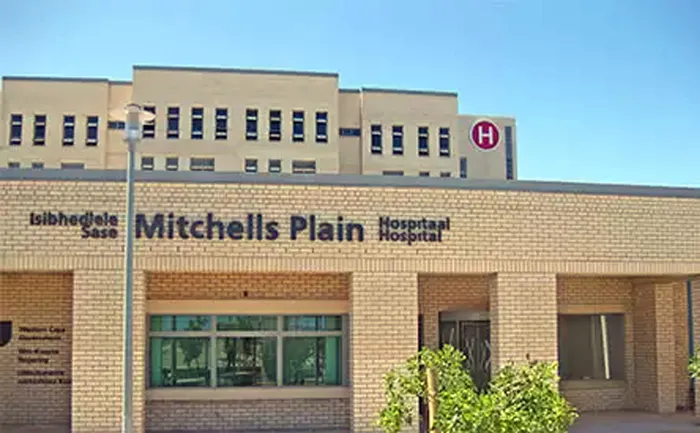
Mitchells Plain District Hospital is again under the spotlight
Image: File
A second complaint in the space of two weeks involving alleged patient care issues at Mitchells Plain District Hospital has led to a case being lodged with the South African Human Rights Commission.
The latest case involves Godfrey Bougaard, brother of Reverend Oscar Bougaard, who was admitted on 15 March after experiencing symptoms believed to be consistent with a heart attack.
According to his family, Bougaard, a known cardiac patient who previously underwent open heart surgery, waited approximately 48 hours in the emergency unit for a hospital bed. They allege that during this period he was not adequately monitored.
They further claim that after being attended to, tests found fluid around his heart, and that he developed buttock blisters due to prolonged immobility while waiting for care. Concerns were also raised about alleged remarks made by staff questioning whether he was “that pastor from Facebook”.
Speaking about his experience, Bougaard said his concerns reflect broader issues raised by the community.
“My feelings regarding the service at Mitchells Plain District Hospital are deeply concerning. This particular incident reflects what many members of our community have been expressing for years, that there are serious shortcomings in how urgent medical situations are sometimes handled,” he said.
“When a patient presents with severe symptoms and is required to wait several hours before being attended to, it raises questions about the effectiveness of the triage process and the urgency with which life-threatening conditions are treated.”
He added that while healthcare workers operate under pressure, patients expect urgent care when presenting with critical symptoms.
“While we recognise that healthcare workers operate under immense pressure and difficult circumstances, the community must also feel confident that when someone enters a hospital with potentially critical symptoms, they will receive the attention and urgency that the situation demands,” he said.
Bougaard said the decision to approach the Human Rights Commission was based on concerns around fundamental rights.
“The decision to approach the South African Human Rights Commission was not taken lightly. It was taken because this matter touches on fundamental rights, particularly the right to healthcare, dignity, and the protection of life,” he said.
“When serious questions arise about whether a patient received appropriate care during a medical emergency, it becomes important to ensure that the matter is reviewed independently and transparently.”
He added that the aim was to ensure accountability and improvements within the system.
“The intention is not to attack individuals within the healthcare system but to ensure accountability, transparency, and ultimately improvements in the system so that similar situations do not occur again,” he said.
Bougaard also addressed healthcare staff, acknowledging the pressures they face while calling for strengthened patient care.
“My advice to the staff would first be one of respect and acknowledgement. Many healthcare professionals dedicate their lives to caring for others under extremely challenging conditions,” he said.
“At the same time, I would urge that every patient who walks through the hospital doors be treated with the seriousness their symptoms deserve, particularly when those symptoms could indicate a life-threatening condition.”
He emphasised the importance of listening to patients and improving collaboration in triage.
“Listening carefully to patients and those accompanying them is critical because early symptoms often provide the most important clues to what may be happening medically,” he said.
“I would also encourage stronger collaboration within the triage system so that when complex or potentially critical symptoms are presented, medical doctors can be more directly involved in the assessment process.”
Western Cape Department of Health and Wellness spokesperson Samantha Lee-Jacobs said the department acknowledges the patient’s experience and confirmed that a formal complaint has been received.
“We acknowledge the distress and concern the patient experienced, and we recognise that waiting for care at our emergency centre, especially when you're unwell, can be deeply unsettling,” she said.
Lee-Jacobs outlined the timeline of care, stating that Bougaard arrived at the emergency centre at 12:30 on 15 March, was triaged at 12:43, and assessed at 12:55.
“A medical practitioner assessed him, and following ongoing observation and investigations, he was referred to the Internal Medicine team. These assessments were conducted in accordance with emergency care protocols,” she said.
She added that while awaiting a ward bed, the patient continued to receive medical care, including constant observations.
“The Mitchells Plain District Hospital operates at a 97% occupancy, and beds become available only once patients can be safely discharged from the wards. During a wait for a ward admission, patients are constantly monitored by qualified medical professionals,” Lee-Jacobs said.
“Based on the documented clinical record, Mr Bougardt received appropriate care, and all actions taken were guided by clinical assessment and established protocols.”
She confirmed that the complaint is being investigated in line with standard procedures.
Human Rights Commission Spokesperson Wisani Baloyi confirmed that a complaint has been received by the Commission’s Western Cape Provincial Office.
“A complaint relating to this matter has been received by the WCPO,” he said, adding that it was received on 23 March 2026.
Baloyi said the complainant has been advised to first exhaust internal processes at the hospital and, if not satisfied, to escalate the matter to the Western Cape Department of Health and Wellness.
“If the complainant is still not satisfied, he was advised to revert to the Commission for further assessment of the complaint,” he said.
The latest complaint follows another case reported last week involving a patient who was allegedly mis-triaged and only later diagnosed with a serious brain condition after several hours.
In response to media queries, Hospersa said it takes allegations relating to patient care and staff conduct seriously.
The union noted that the matter raises concerns about staff capacity, infrastructure limitations and service delivery pressures within the emergency unit.
Hospersa stated that the emergency unit at the hospital manages approximately 5 000 patients per month and operates under constrained staffing levels, which may contribute to delays in patient care.
It added that standard protocols require high-risk cardiac patients to be closely monitored in appropriately equipped units by trained staff, but cited shortages of specialised nurses and resource constraints as ongoing challenges.
On the allegation of staff remarks, the union said it does not condone unprofessional or discriminatory conduct, adding that any such claims would be addressed through appropriate processes if substantiated.
Hospersa confirmed it intends to raise concerns around staffing, resource allocation and infrastructure through formal engagement with the employer.