Concerns raised over claims from Gayton Mckenzie regarding Joshlin Smith's disappearance


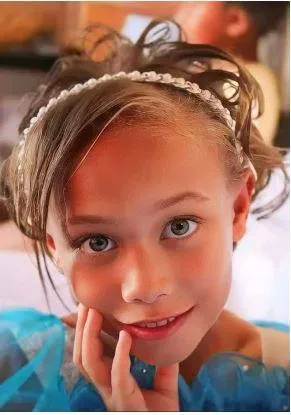
Joshlin Smith
Image: Supplied
The disappearance of six-year-old Joshlin Smith has once again come under the spotlight after Patriotic Alliance leader Gayton McKenzie claimed he has new information suggesting the child may still be alive.
McKenzie made the remarks on Sunday during the launch of the Joshlin Smith Foundation at the Dial Rock Community Hall in Saldanha Bay.
“I’m going to tell the truth... where is Joshlin? I believe Joshlin is still alive,” McKenzie said, adding that state witness, Lourentia “Renz” Lombaard had allegedly told him she knows exactly what happened on the day the child vanished."
He said he intends to present this information to acting police minister Firoz Cachalia in the coming week.
Joshlin disappeared from the Middelpos informal settlement in Saldanha Bay in February 2024. Despite an extensive, multi-agency search effort that stretched across provinces and even beyond South Africa’s borders, she remains missing.
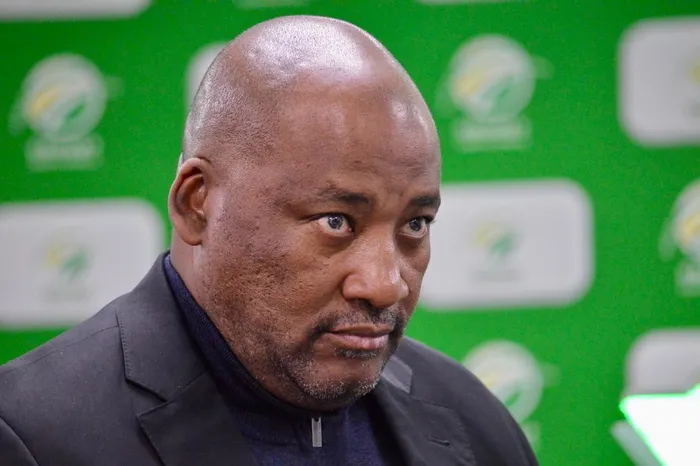
Patriotic Alliance Gayton McKenzie was castigated for his claims about the whereabouts of Johslin Smith.
Image: Michael Sherman / IOL
In May last year, her mother, Kelly Smith, along with co-accused Jacquen “Boeta” Appollis and Steveno “Steffie” van Rhyn, were sentenced to life imprisonment for human trafficking and an additional 10 years for kidnapping. The sentences are being served concurrently, and all three have been placed on the national child protection register.
However, McKenzie’s public claims have drawn concern from child protection organisations, who warn that unverified information could undermine ongoing investigations and retraumatise affected families.
Bianca Aswegen from Missing Children South Africa described the situation as a very touchy subject, stressing that any alleged evidence should be handled through official channels.
“If the allegations are true and he does have evidence, he needs to produce it to the police. If they had it, why wasn’t it given already?” she said.
Aswegen also questioned the timing and manner in which the claims were made.
“If this is true, he should have waited until a proper police statement could be issued. We’ve seen this before in the beginning of Joshlin’s case, how people spreading false information, led to wild goose chases and innocent people being blamed.”
She emphasised that investigations should remain the responsibility of law enforcement, adding that interrogations or independent inquiries conducted outside official processes risk compromising the case.
“It’s the police’s investigation, follow protocol. People should not believe stories until the police issue a statement,” she said.
Aswegen further raised concerns about the broader implications for other families of missing children.
“We do not affiliate ourselves with any political party. There are families dating back to the 1980s who still don’t know what happened to their children. Political parties have not been involved in other missing persons cases. This opens up wounds for those families.”
Instead, she called on political figures to support existing organisations through funding and resources.
“Why not rather support us in what we do, help on the funding side so that we can expand resources? We don’t distinguish between cases, all are urgent.”
Community activist Tanya Bippert, a member of One Billion Rising SA, also weighed in, expressing concern over the handling of information.
“Withholding information in a criminal case is illegal, and withholding information that could protect a child victim should constitute charges being brought against such a person. We have heard a lot of conflicting statements by Gayton McKenzie regarding the well-being of little Joshlin Smith. This can create false hope, fear, anger, as well as hopelessness amongst her family, friends and community,” Bippert said.
She emphasised the importance of focusing on the child rather than political agendas.
“The main focus is, and should always be, the minor child in this matter. Creating awareness is different from creating sensation to fit personal or political agendas, as this causes more harm to the ongoing investigation. Why would someone withhold information that could possibly save the life of an innocent child? All information should be shared with trained professionals investigating this matter before creating public narratives that could be unfounded and harmful.”
Bippert added that withholding possible, valuable information could delay justice, negatively impact arrests and prosecution, and potentially be seen as protecting perpetrators.
“Finding Joshlin should be our main priority, not media statements based on emotions and ‘own’ goals. We as the public do not have the training to decide what information is beneficial to solving a case.”
Meanwhile, the South African Police Service (SAPS) has reiterated that the investigation into Joshlin’s disappearance remains open.
National police spokesperson Brigadier Novela Potelwa said authorities continue to assess all information received from the public.
“Since the child went missing, SAPS has been receiving information from community members regarding her alleged whereabouts, what happened to her, and who may be implicated. All information is tested by detectives to determine whether it will stand in a court of law,” Potelwa said.
She confirmed that investigators have pursued numerous leads, travelling across the country and, in some cases, working with international law enforcement agencies.
“Unfortunately, none of the information shared has yielded the desired results,” she said.
Potelwa added that while police welcome any new information, it must be subjected to rigorous scrutiny.
“As of now, SAPS has no tangible information that would warrant arrest and/or prosecution. The Western Cape SAPS hopes that future leads will shed light on what happened to Joshlin Smith.”