Cape Town's MyCiTi fleet to integrate electric buses in partnership with UCT


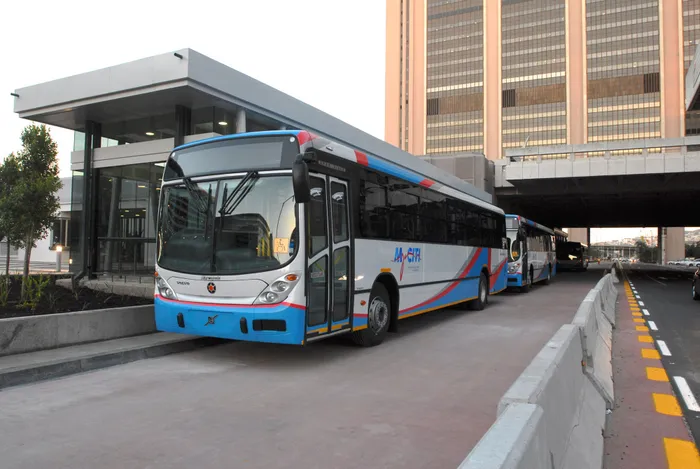
City of Cape Town and UCT to conduct research on electric bus integration in MyCiTi fleet.
Image: Melinda Stuurman
The City of Cape Town is stepping into a greener future with an ambitious new initiative aimed at integrating electric buses into its MyCiTi fleet. In partnership with the University of Cape Town (UCT), the City’s Urban Mobility Directorate is set to undertake comprehensive research to assess the operational dynamics of electric buses (e-buses) over the next few months. This project is part of a broader strategy to enhance urban mobility while reducing carbon emissions in the city.
The groundwork for this innovative project has been laid with the approval from the Mayoral Committee to sign an agreement with the eBRT2030 Consortium, the implementing agent for the Urban Electric Mobility Initiative (UEMI). The research is financially supported by a EUR90,000 grant from UEMI and supplemented by the City’s contributions. Together, these funds will test how e-buses can enhance public transport services along the metro-south east corridor, with a planned rollout set for 2027/28.
Over the project period, anticipated to last until at least December 2026 and possibly extending to June 2027, up to four 12-metre electric buses will be deployed on various existing MyCiTi routes in Cape Town. Pending the arrival of the first bus in the first quarter of the upcoming financial year, the City aims to study the buses’ performance across diverse route profiles over a span of about 12 months.
Key performance metrics will focus on battery life after charging, the impact of passenger volumes, route profiles, and climatic conditions on battery discharge capabilities, along with the charging duration required for optimal performance. A major aspect of the research will also look into the potential reduction of maintenance and operational costs, as noted in several countries where e-bus implementation has led to savings of up to 70%.
Commenting on the significance of this research, Rob Quintas, Mayco Member for Urban Mobility, expressed gratitude for the committee's approval and emphasised the necessity of understanding how electric buses will function in a local context.
“All of this information will assist us in planning better, and to be prepared in terms of the logistics and other needs such as the training of the bus drivers, maintenance requirements, passenger loads, fault reporting, and so forth,” he said.
“UCT is our partner in this. They will lead the feasibility study and research components of the eBRT2030 project, as well as the additional monitoring and evaluation. We get the benefit of the research and we can then apply the outcomes in our planning.”
The City is enthusiastic about the upcoming rollout, which is set to commence on 1 July 2027. E-buses will operate between major areas including Mitchells Plain, Khayelitsha, Wynberg, and Claremont, as well as providing vital connectivity to the Cape Town Central Business District.