Charles Appolis denies killing Nadia Lotz, shifts blame to her close friend


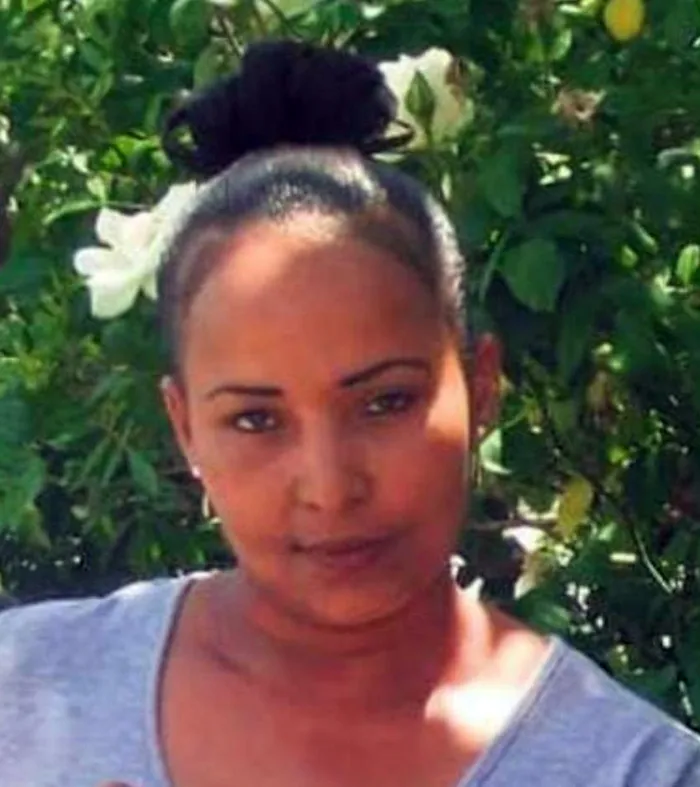
Strand mom-of-three Nadia Lotz, 32
Image: Supplied
The murder trial of Nadia Lotz, who was brutally killed in March 2023, continues to expose a harrowing account of violence, conflicting versions, and mounting frustration over repeated delays in the justice system.
Lotz was stabbed three times and had her throat slit while seated in a vehicle on 4 March 2023, allegedly by her boyfriend, Charles Appolis. In a desperate attempt to escape, she leapt from the moving car and collapsed on the roadway, where she later died from her injuries.
Testifying at the Strand Regional Court this week, Appolis provided background on his long and turbulent relationship with Lotz, telling the court he had known her for 13 years and that they shared three children, aged 9, 8 and 4. Proceedings then shifted to a history of on-and-off domestic violence, with the defence questioning the accused about previous cases opened by Lotz.
Appolis claimed Lotz would become angry, then later calm down, describing her as “sick” and stating that she was on medication. He told the court she would sometimes withdraw charges after becoming frustrated. The State has previously placed evidence before court indicating multiple domestic violence incidents were reported over the years.
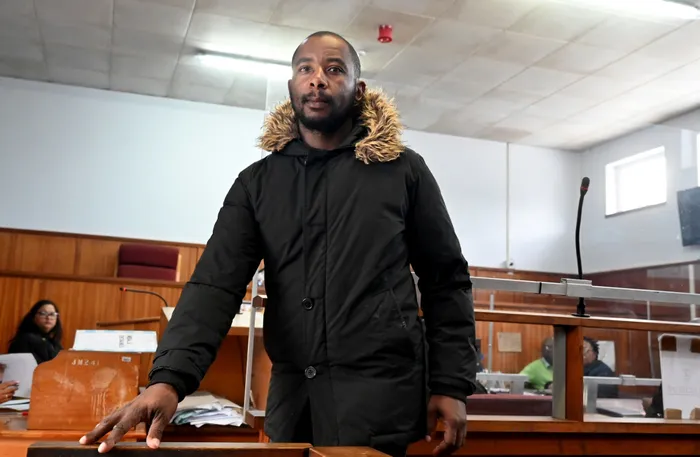
Charles Appolis at the Strand Regional Court
Image: Ayanda Ndamane/ Independent Newspapers
Central to the defence’s case is the claim that Lotz’s close friend, who often acted as a babysitter and was allegedly at the couple’s home almost daily, was responsible for the fatal attack. The accused told the court that photographs of injuries to Lotz’s face, which were sent to this friend, were not the result of abuse by him but rather a fight Lotz allegedly had with neighbours.
The defence further explored events earlier on the day of the killing, including time spent drinking alcohol, visiting a pub, and sitting in a park. Appolis claimed alcohol purchases were made using both Lotz’s bank card and the friend’s card. He alleged the friend later suggested that he leave Lotz and pursue a relationship with her, which he said he refused.
According to Appolis, tensions escalated later that evening. He testified that while driving the friend’s vehicle, with Lotz in the front passenger seat and the friend in the back, an argument broke out. He claims he then noticed blood and turned to see the friend allegedly stabbing Lotz with a knife.
He told the court he attempted to intervene and sustained injuries to his hand and thigh. He denied pushing Lotz from the vehicle, claiming he was trying to prevent her from falling as she exited the car. His answered under cross-examination about the precise movements inside the vehicle were often unclear, with the accused stating he could not remember where his legs were positioned when the door opened.
Appolis said they drove to Gordon’s Bay SAPS, where he reported that his wife had been stabbed. The prosecution put it to him that he told police, “I just stabbed my girlfriend,” an allegation he denied, claiming officers misunderstood him. He was later arrested and transferred to Strand SAPS.
The State has rejected the accused’s version outright, putting it to him that his account is false. Blood evidence was again addressed in court, with Appolis claiming there was a large amount of blood on the dashboard and that he witnessed the stabbing taking place while the vehicle was stopped.
The trial, which commenced in July 2025, has heard disturbing testimony from multiple witnesses. Lotz’s best friend testified earlier that she tried to fend off the attack while keeping control of the vehicle, a claim the defence attempted to undermine by suggesting she committed the murder out of romantic interest in Appolis, an allegation she unequivocally denied.
An independent eyewitness, who was driving behind the vehicle with her children, told the court she saw Lotz fall from the moving car and stopped to assist. Despite efforts to stem the bleeding, Lotz died at the scene.
A former SAPS warrant officer testified to extensive bloodstains in both the front and rear of the vehicle, injuries observed on the accused, and submitted crime scene photographs and the post-mortem report as part of the State’s case.
At the close of the State’s evidence, the defence brought a Section 174 application, arguing there was insufficient evidence to secure a conviction. The application was firmly rejected by the court.
Despite the advanced stage of proceedings, the defence indicated on Tuesday that it was not ready to continue, resulting in yet another postponement, the 23rd in the matter.
“This case has become a devastating example of how procedural delays erode justice,” said Kaylynn Palm of Action Society. “Twenty-three postponements are not a coincidence; they are a failure. Nadia’s family is being forced to relive the most violent moment of their lives over and over, while the accused benefits from delay after delay. Justice delayed is justice denied.”
Palm said the repeated postponements place an unbearable emotional burden on families and undermine public confidence in the criminal justice system.
“The court has already rejected the defence’s attempt to have the case thrown out. The evidence has been led, witnesses have testified, and the accused’s version has been thoroughly challenged. There is no justification for continued delays at this stage.”
Action Society has called for firm judicial case management to ensure the matter proceeds without further unnecessary postponements.
“Families deserve finality. They deserve dignity. And they deserve a justice system that treats the murder of a young woman with the urgency it demands,” Palm said.
The matter is scheduled to resume on 30 January 2026.