Calls for leadership overhaul in Western Cape Police amid rising gang violence


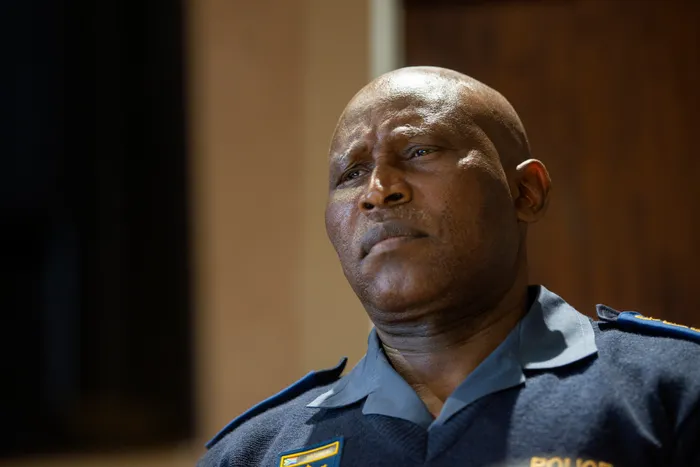
Western Cape police commissioner Thembisile Patekile
Image: Armand Hough/Independent Newspapers
Amidst the escalating gang violence and body count, the calls for the axing of provincial commissioner, Thembisile Patekile, are growing louder, blaming him for the lack of a clear strategy to tackle crime in the Western Cape.
Independent crime researcher Calvin Rafadi said Patekile should be replaced, warning that decisive leadership changes are essential if violent crime persists.
He also recommended rotating Anti-Gang Unit members to reduce exposure and corruption risks, and strengthening the National Prosecuting Authority’s Asset Forfeiture Unit to freeze and seize the assets of gang leaders, disrupting the financial infrastructure that fuels recruitment of vulnerable youth.
Rafadi has renewed his call for the national government to deploy the South African National Defence Force (SANDF) as a force multiplier to support the under-resourced Western Cape SAPS.
“Communities remain under siege from violent criminal gangs,” he said, stressing that the government can act immediately by declaring crime hotspots a state of emergency, allowing SANDF support without delay.
He emphasised that SAPS and SANDF must work jointly to dismantle entrenched gang networks and taxi-industry hitmen, known locally as “izinkabi,” who are responsible for a large proportion of gun-related crimes.
Adding weight to these concerns, retired Brigadier Cass Goolam, who led Mitchells Plain Police Station, one of the province’s busiest for a decade, criticised provincial leadership for dismantling proven operational teams and methodologies, misusing specialised tactical units, and failing to provide moral and practical support for officers on the ground.
Goolam, who spent more than 40 years in the police and worked closely with Major-General Jeremy Vearey and the late Major-General Andre Lincoln, warned that political interference has prioritised optics over operational effectiveness.
“Whatever decisions provincial management has made and the strategies they may have to combat gangs have had the opposite impact. They have contributed to making the Cape Flats conducive to gangs,” Goolam said.
He highlighted the leadership vacuum in Crime Intelligence and Visible Policing, the premature interference with effective ground teams, and the appointment of senior officers without proven operational track records.

Acting Police Minister Firoz Cachalia.
Image: Oupa Mokoena / Independent Newspapers
Goolam also pointed to the practical challenges officers face daily: lack of support from command, exposure to violence and shootings, community mistrust, and corruption exacerbated by poor oversight. He said a Provincial Commissioner with deep local knowledge could dramatically improve policing outcomes, strengthen community trust, and implement strategies that account for the province’s unique challenges.
Despite these local calls for urgent action, Acting National Minister of Police Firoz Cachalia confirmed the rollout of a new Anti-Gang Plan, developed following ministerial working sessions in Cape Town.
The plan is part of a broader national strategy against organised crime, with an initial focus on gang hotspots on the Cape Flats.
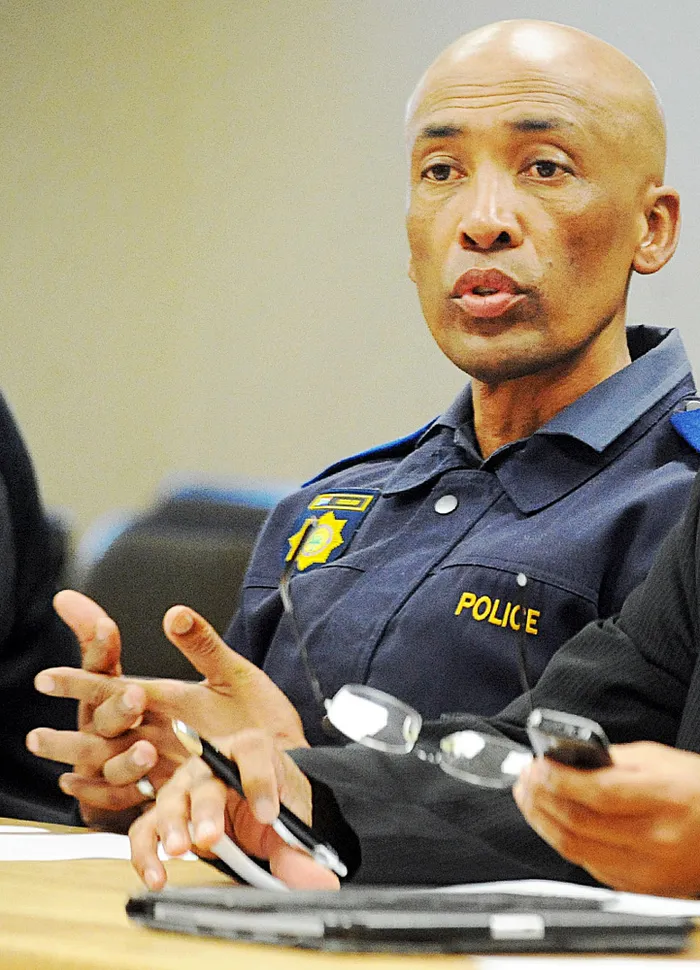
The former commander of the Mitchells Plain police station, Brigadier Cass Goolam.
Image: File
Cachalia said he had met with the Premier of the Western Cape Alan Winde, the mayor of Cape Town Geordin Hill-Lewis, and the MEC for Community Safety and Police Oversight, Anroux Marais to strengthen inter-governmental cooperation, and also engaged religious leaders committed to supporting SAPS in tackling gang violence.
Winde’s office on Wednesday announced that he chaired a Cabinet meeting during which Western Cape SAPS leadership, led by Patekile, briefed members on efforts to combat gang violence and organised crime.
Winde emphasised the provincial government’s commitment to safety, highlighting an annual budget allocation of over R4 billion for violence prevention and social interventions.

Premier Alan Winde
Image: Armand Hough / Independent Newspapers
The briefing included the implementation of the Integrated Crime and Violence Prevention Strategy, featuring intelligence-led policing, major drug and contraband crackdowns, social interventions, hotspot policing, and ongoing evaluation of strategy effectiveness.
Winde also stressed closer collaboration with SAPS, the National Police, civil society, and the private sector, stating, “Gangs cannot be allowed to run this province.”
Addressing concerns about alleged gang infiltration within SAPS, Winde announced lifestyle audits of provincial police leadership as a measure to root out corruption and rebuild community trust.
He also noted ongoing investigations, including the George building collapse disaster, in which 34 people died and 28 were injured, assuring that the matter is being prioritised and a case docket will be submitted to the National Prosecuting Authority.
An enquiry was sent to SAPS Western Cape regarding the calls to have Patekile removed, but no response was given my deadline.