Polio virus strains detected in Cape Town’s wastewater: What you need to know


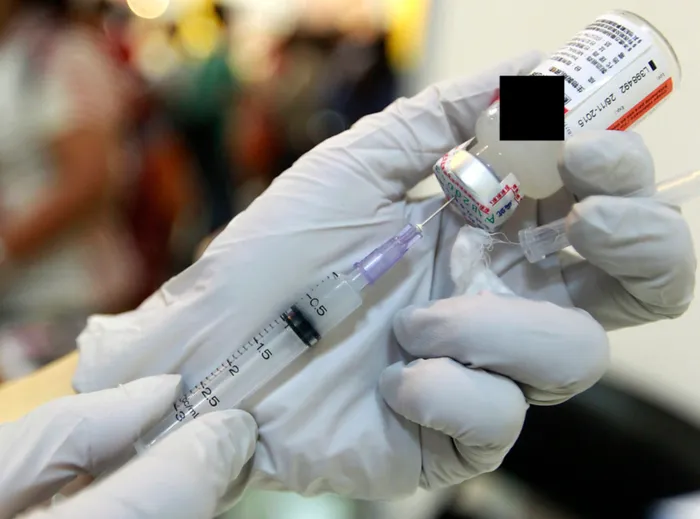
Routine public health surveillance has detected two distinct strains of polio virus in Cape Town’s wastewater.
Image: File
Routine public health surveillance has detected two distinct strains of polio virus in Cape Town’s wastewater, prompting an increase in monitoring but no cause for public alarm.
The National Institute for Communicable Diseases (NICD) informed the Department of Health after identifying the VDPV3 and nOPV2-L strains during proactive, population-wide disease tracking at a local wastewater treatment plant.
Crucially, health officials have classified the detections as "vaccine events", confirming that no clinical cases of the virus have been detected in humans.
The positive samples were caught early thanks to the NICD’s routine environmental testing, which analyses municipal sewage and water resources to catch emerging outbreaks and viral variants before they manifest as physical symptoms in the community.
Because South Africa was officially certified polio-free by the World Health Organisation’s African Regional Certification Commission (ARCC) in September 2019, officials believe these strains did not originate locally. Instead, the evidence suggests the virus shedding came from imported cases—individuals vaccinated overseas with different vaccine variants from those used in South Africa who have since travelled to the Western Cape.
The Department of Health stressed that this scenario does not translate to an outbreak and is considered low risk, and will not require an additional mass vaccination campaign.
In line with standard outbreak preparedness plans—especially given sporadic global spikes in polio and high cross-border movement—the Department of Health and the NICD have activated immediate response protocols. This includes strengthening regional surveillance and increasing the frequency of wastewater sampling across Cape Town.
While the government maintains there is no need for panic, they have urged the public to remain vigilant.
"Members of the public are urged to remain vigilant and ensure timely reporting of any suspected symptoms of polio to the nearest healthcare provider," a department spokesperson said.
Polio is a vaccine-preventable disease, but residents are reminded to consult a primary healthcare provider if they are in any doubt about their health. Suspected symptoms include:
Progressive muscle or joint weakness and pain
Chronic fatigue
Muscle wasting
Breathing or swallowing difficulties
Sleep-related breathing disorders
Health officials noted that while these can be indicators of polio, they are also common symptoms for many other everyday health conditions. Anyone experiencing these symptoms is advised to seek professional medical advice.