Who decides the future of humanity? SA’s genome editing guidelines spark global concern
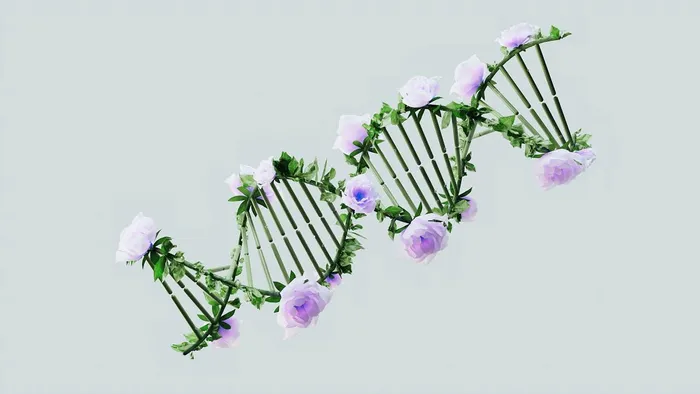
South Africa's pause on genome editing highlights ethical dilemmas and public concern.
Image: Google DeepMind/Pexels
Imagine this: a future where parents could choose their baby’s eye colour, height or even intelligence.
Sounds like science fiction, right? But it’s closer than you think.
Let’s start with a simple, human truth: most of us want healthy children and fair rules. That’s why the words “genome editing” and “designer babies” spark such strong feelings.
The science behind “designer babies,” known as Heritable Human Genome Editing (HHGE), isn’t just a plot for futuristic movies.
It’s a real possibility, a topic of heated debate, and right now, South Africa is at the heart of the conversation.
What exactly is genome editing?
HHGE means editing sperm, eggs or embryos in ways that future generations would inherit.
In simple terms, genome editing means making precise changes to our DNA, the genetic code that makes us who we are.
HHGE takes this further by editing sperm, eggs or embryos in ways that pass those changes on to future generations.
This technology has the potential to prevent serious genetically inherited diseases, such as cystic fibrosis and sickle-cell disease, by correcting the faulty genes that cause these conditions.
However, the implications of this technique go far beyond the possibility of preventing disease.
The idea of altering the human genome raises profound ethical, social and safety concerns, which have led to a global consensus against its use in clinical settings.
However, it's also vital to consider the potential benefits.
For example, the possibility of eliminating certain genetic mutations, like those causing sickle-cell disease, could save countless lives by preventing severe health conditions before they manifest.
This juxtaposition of risk and reward encourages a more nuanced reflection on the future of genome editing.
CRISPR, a gene-editing tool that acts like molecular scissors, has made this more achievable than ever. But with great power comes great responsibility. The world is still figuring out where the line should be drawn.
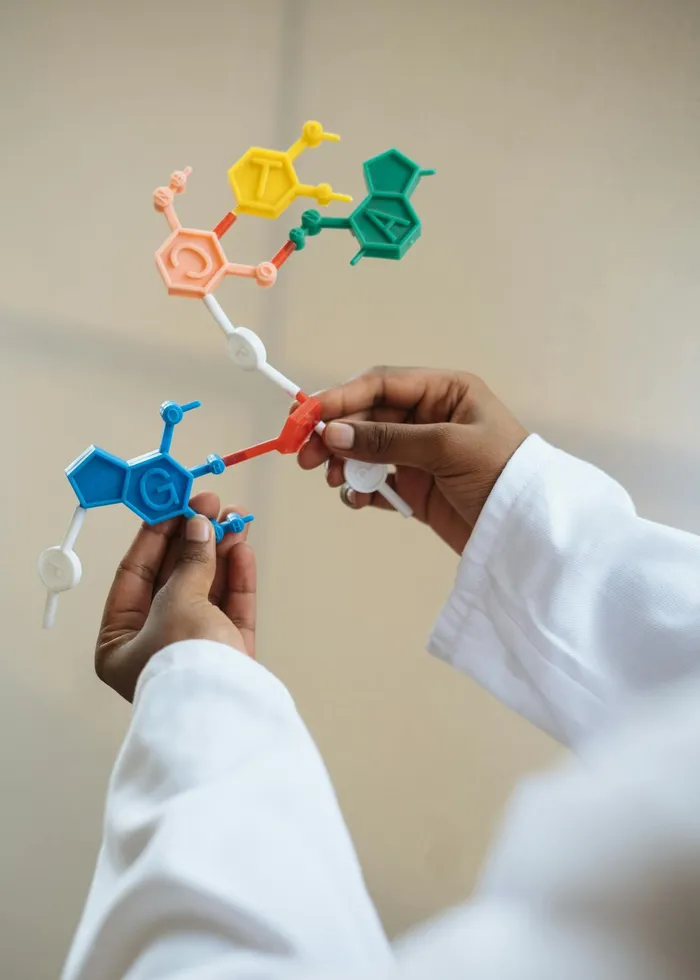
Genome editing allows precise alterations to DNA the, genetic blueprint of life.
Image: RF studio _
Why did South Africa hit pause?
Earlier this year, SA’s National Health Research Ethics Council (NHREC) included a controversial section on HHGE in its ethics guidelines.
The move caused an uproar among scientists, ethicists and the public alike. Because many feared this could open the door to “designer babies", children genetically tailored to parental preference, rather than nature’s lottery.
According to Nature, more than 120 experts, including local leaders like Professors Michele Ramsay and Ames Dhai from the University of the Witwatersrand, warned that the guidelines might create dangerous loopholes.
There were worries about conflicting messages: one part seemed to acknowledge children born through gene editing, while another reaffirmed laws against such practices.
The confusion was real. Would this mean we could start editing embryos in clinics?
Would parents begin “shopping” for traits? Or would the law protect against these ethical grey areas?
According to Nature, to date, no country explicitly allows heritable genome editing in clinical practice. Many nations have regulations that prohibit such research due to the ethical and safety risks involved.
For instance, in 2019, a group of international researchers and ethicists called for a global moratorium on heritable genome editing.
Earlier this year, South Africa's National Health Research Ethics Council (NHREC) introduced controversial guidelines regarding HHGE, triggering widespread debate within the scientific and public sectors.
Image: Thirdman/Pexels
This call was supported by influential organisations such as the US National Institutes of Health.
The overwhelming view among the scientific community is that the clinical application of this technology is not sufficiently safe and raises moral questions about the future of genetic modification in humans.
The Southern African Society for Human Genetics (SASHG) stepped in, urging the government to reconsider.
Their chair, Lisa Roberts, called the guidelines’ removal a “measured and appropriate response,” reflecting just how complex and emotional these decisions can be.
“Genome editing isn’t just a technical issue,” Roberts explained. “It touches on our values, our hopes and our fears about what it means to be human.”
She praised the NHREC for listening, for taking a step back and for choosing to consult more widely before taking the next leap.
And that’s what’s happening now. Instead of rushing forward, the NHREC has pressed pause.
The new guidelines call for further public engagement, more research and deeper conversations.
It’s a powerful reminder: just because we can do something doesn’t always mean we should, at least, not yet.
Say, for example, Thandi, a young woman from Johannesburg whose family carries a lethal genetic mutation.
Thandi faces a heart-wrenching decision: should she use genome editing to ensure her children won't inherit the same debilitating disease that claimed her mother's life?
With this intimate glimpse into her story, we ponder the profound questions surrounding genome editing.
Would you want to control your child's genetics if you could? What if it could prevent a devastating inherited disease like Thandi's?
What if it meant choosing a child's talents or appearance? Where does parental love end and genetic engineering begin? Thandi's dilemma personalises these questions, highlighting the emotional and moral weight of such choices.
A 2023 study in the journal Nature Human Behaviour found that people worldwide are deeply divided on these questions, especially when it comes to editing genes for non-medical reasons.
For now, South African law still bans reproductive manipulation of human embryos and gametes.
But the conversation isn’t going away. The SASHG is working with the NHREC to ensure future guidelines are rooted in science, ethics and public trust.
This isn’t just a story about science or law. It’s about families, about the future, about who gets to decide what’s possible. SA’s decision to slow down isn’t a setback; it’s a call for all of us to get involved.
∎ The updated guidelines are available on the Department of Health’s website.